
 Call Us for a Free Estimate!
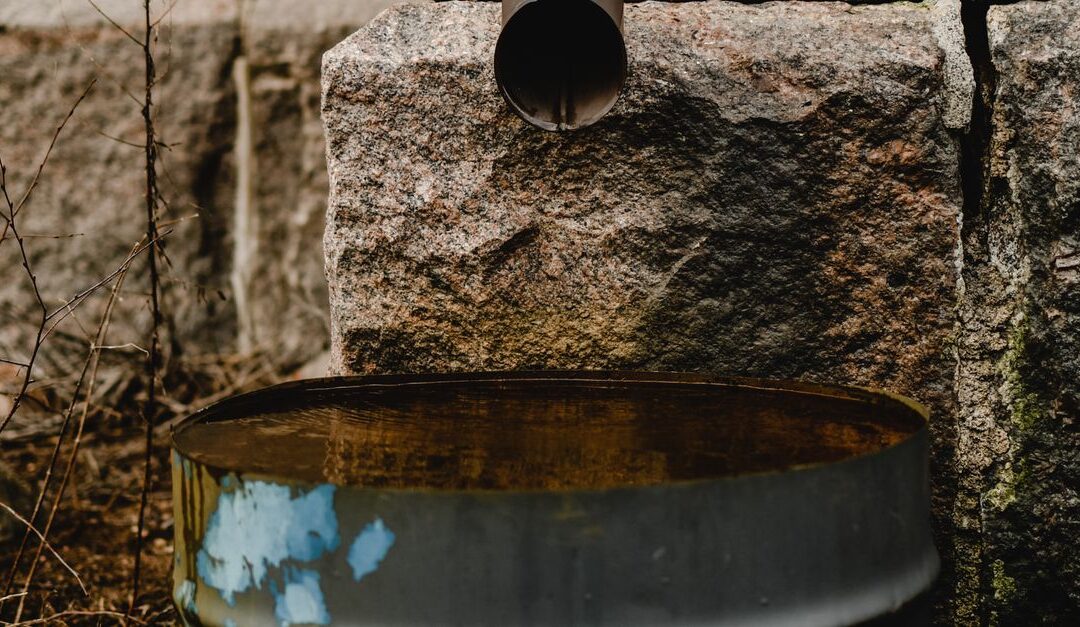
Before winter, aim to discharge each downspout at least 5 feet from the foundation. Where the yard is flat, drains slowly, or slopes toward the house, 6 to 10 feet is a more useful target when space allows. Distance alone is not enough: the outlet must release water where it continues away from the home, rather than flowing back toward a basement wall, crawl space, or window well.
Those distances are practical planning targets, not a guarantee against leaks or a substitute for local drainage requirements. At Midwest Basement Tech, we look at the full route roof water takes, from gutter to outlet to final drainage area. A long extension that empties into a low spot may do less good than a shorter one that reaches a reliable downhill path.
Fall is the time to check that route. Leaves can obstruct gutters, loose fittings can redirect water beside the house, and an extension with a low spot may hold water that freezes. Fixing those issues before winter helps limit the amount of roof runoff soaking the soil next to your foundation.
What does it mean to drain a downspout away from the foundation?
A downspout collects water from a section of roof and releases it at a concentrated point. Its discharge distance is the distance from the foundation to the place where water actually leaves the extension or drain line. Measure to that outlet, not to the end of a pipe that is disconnected, blocked, or leaking closer to the house.
Effective drainage has two parts. First, carry the water beyond the immediate area beside the foundation. Second, give it a safe path to keep moving away. If the outlet points uphill, empties onto settled soil, or sends water across pavement that slopes back toward the house, adding pipe length will not solve the underlying problem.
Midwest Basement Tech treats downspout placement as one part of foundation water control, not a stand-alone repair for every wet basement. A home may also have a grading problem, groundwater pressure, a leaking wall crack, or a drainage system that is not working as intended.
Why is a short downspout more concerning in winter?
When a downspout empties next to the house, runoff repeatedly wets the soil beside the foundation. Water in that soil can contribute to pressure against below-grade walls and find its way through cracks, joints, or other openings. It may appear inside at the wall-to-floor joint, near a basement window, or in a crawl space. Our guide to water at the basement wall-to-floor joint explains why the place where a leak appears is not always the place where the water first collected.
Cold weather adds complications. Snowmelt can reach a downspout when parts of the ground are frozen, leaving fewer places for the water to soak in. Water trapped in a sagging extension or blocked outlet can freeze and interrupt drainage. During a thaw, that obstruction can leave water spilling out at a connection near the foundation.
Freezing water and changing soil moisture can also add stress around existing foundation problems. That does not mean every short downspout will cause structural damage. It means the outlet is an avoidable source of water in a location where excess moisture is especially unwelcome.
How far is far enough for your yard?
Use 5 feet as a starting target for an above-ground outlet where the ground clearly slopes away and water disperses without pooling. Consider 6 to 10 feet where the house has a basement, the soil stays wet, the yard is nearly level, or a nearby feature could collect runoff. On a lot that slopes back toward the foundation, an extension may need to reach a suitable drainage area farther away, or the site may need a different drainage design.
There is no universal distance that makes an unfavorable yard drain properly. After rain, stand at the outlet and follow the water with your eyes. Ask where it goes next. Does it spread across lawn that falls away from the home? Does it sit in a depression? Does it run along a sidewalk and return toward the house? Those observations matter more than a measurement alone.
Where should the outlet avoid discharging?
- Window wells: A downspout can deliver concentrated water to an area beside a basement opening. For more detail, see why basement window wells fill with water.
- Walkout stairs and basement doors: Water can collect against an entry and enter through the threshold or nearby joints.
- Crawl space openings: An outlet that aims at an access door can create a moisture problem below the living area.
- Walkways and driveways: Runoff may freeze on a walking surface or follow pavement back toward the foundation.
- Neighboring structures or property: Moving water away from your wall should not create a problem elsewhere. Check local rules before changing the discharge location.
Watch corners closely. Two roof sections, a window well, and a paved walkway can all influence one small area. If an extension crosses a path or is repeatedly moved for mowing or snow removal, choose a route that is practical to keep in place.
A prewinter downspout inspection you can do step by step
Walk the entire perimeter, including side yards and less visible corners. Make a note of each outlet rather than assuming all downspouts behave the same way.
- Find the actual discharge point. Follow each downspout to the end of its extension or buried line. If a pipe disappears underground and you cannot find its outlet, do not assume it is carrying water away successfully.
- Measure from the foundation. Compare the distance with the 5-foot starting target. Where the terrain is flat or persistently wet, look for a practical route toward the 6-to-10-foot range.
- Check the ground near the wall. Look for settled soil, depressions, standing water, or staining that suggests runoff has been collecting there. Mulch can hide a low spot, so inspect the ground surface beneath it.
- Trace where water will go. Look past the outlet. The best location is one where runoff continues away without crossing an entrance, collecting in a window well, or returning along pavement.
- Inspect the entire run. Check for loose elbows, cracked extensions, crushed sections, sharp bends, and sagging areas that can retain water.
- Check for blockage. Clear leaves and debris from reachable gutters, downspout openings, and outlets. If it is safe to do so, run water through the system and confirm where it exits. Use appropriate ladder precautions or hire a gutter professional for work you cannot perform safely.
- Recheck after rainfall. A dry-day inspection shows where the pipe points. A rain-day inspection shows where the water actually travels.
Give special attention to the downspout nearest a known basement leak. The locations may be related, but proximity is not proof. Water can travel through soil or along a foundation before it appears indoors.
Choosing a way to move downspout water farther away
Above-ground extensions
An above-ground extension is often the simplest way to move an outlet away from the house. It is visible, so you can readily see whether it is attached, clear, and draining. Place its end where the ground carries water away, and secure it so wind, yard work, or snow removal will not turn it back toward the wall.
Check the full length for low spots. An extension that dips and rises may hold water even if its outlet is far enough away. If it crosses a walkway, reconsider the route rather than accepting a trip hazard or a place where runoff may freeze.
Buried solid drain lines
A buried line may be useful when a surface extension would cross a frequently used area or cannot reach a suitable outlet. For transporting roof runoff, a solid line is generally the appropriate concept: perforations along the run would release water into surrounding soil rather than carry it to the intended discharge point.
The hidden nature of a buried pipe makes its outlet particularly important. It needs a route that drains, a location where water can leave safely, and a way to identify and address a blockage. Do not assume that an underground connection is working simply because water no longer appears at the base of the downspout. If the pipe is blocked or disconnected, it may be releasing water where you cannot see it.
Before digging or connecting to another drainage system, check utility locations, local requirements, and where the proposed outlet would send water. A downspout line should not be connected to a foundation drain or other system without evaluating whether that system is intended to receive roof runoff.
Grading and other site changes
Sometimes the problem is the surface around the house rather than the extension itself. If soil settles toward the wall, runoff may return even after the pipe reaches its target distance. Correcting the grade can help surface water move away. Take care not to raise soil against siding, cover openings, or interfere with existing drainage features.
Where a tight lot, retaining wall, walkway, or downhill neighbor limits the available options, a site-specific plan matters more than forcing an extension to a chosen length. The goal is controlled discharge, not simply a longer pipe.
Best practices for winter-ready drainage
- Clean gutters before they back up. A clear extension cannot help if leaves prevent roof water from reaching the downspout.
- Keep connections secure. Water escaping from a loose elbow at the wall defeats the purpose of a distant outlet.
- Remove dips and obstructions. Water left standing in a line is more likely to freeze and interrupt flow.
- Keep outlets visible when possible. Knowing where water leaves the system makes inspection and maintenance easier, especially after snow or a thaw.
- Look at the whole house. Correcting one conspicuous downspout will not protect a different corner where runoff still empties beside a basement wall.
- Separate roof runoff from sump discharge. Both need safe discharge locations, but they serve different parts of the water-control system. If your sump line is a winter concern, read our guide to preventing a frozen sump pump discharge line.
We recommend looking for the first failure point in the water path: roof water missing the gutter, a downspout leaking at a joint, an outlet too close to the house, or a yard that sends the discharged water back. Fixing that point first makes it easier to tell whether a deeper foundation or drainage issue remains.

When an extension is not enough
If the downspouts drain away from the house and the basement still gets wet, avoid treating the extension as the whole diagnosis. Roof runoff is one possible contributor, but water may also enter through a wall crack, collect where the wall meets the floor, or build up when groundwater drainage is inadequate. Crawl space moisture may have its own entry points.
Signs that deserve closer attention include recurring seepage after rain or snowmelt, standing water in the basement or crawl space, persistent dampness, and foundation cracks that widen or accompany wall movement. A horizontal crack or bowing wall calls for particular care because the question is not just where water goes, but whether the wall needs structural evaluation. Our overview of bowing basement walls after heavy rain discusses that distinction.
Midwest Basement Tech evaluates basement waterproofing, crawl space moisture, foundation cracks, drainage, and sump pump needs in Central Illinois, Greater St. Louis, and the Lake of the Ozarks. Depending on the cause, we may recommend a customized basement drainage system, a sump pump system, or another appropriate repair. Those systems address problems an outdoor downspout extension cannot repair, and they should be selected based on the home rather than assumed necessary for every leak.
Frequently asked questions
Is 5 feet always enough for a downspout?
No. Five feet is a useful starting target when the outlet reaches ground that drains away. If water pools there or runs back toward the house, move the outlet to a suitable location, often farther away, or address the grading. The observed water path is the deciding factor.
Should every basement downspout reach 10 feet?
Not necessarily. A longer run can help on a flat or slow-draining lot, but 10 feet of pipe ending in a depression is not an effective solution. Choose a discharge point based on slope, obstructions, and where water goes after it exits the pipe.
Can I use a splash block instead of an extension?
A splash block can help direct water away from a downspout opening, but check where its water ends up. If it stops near the foundation or releases runoff onto ground that slopes toward the house, it does not achieve the goal of moving water away. An extension may be needed.
Is a buried downspout drain better than an above-ground extension?
Neither is automatically better. An above-ground extension is easy to inspect and adjust. A buried solid line can keep a walkway clear and reach a suitable outlet, but blockages or disconnections may be harder to spot. The better option is the one that reliably carries water to a safe discharge area and can be maintained.
Can a downspout drain into a foundation footing drain?
Do not make that connection without a professional evaluation. A footing drain manages water near the foundation, while a downspout can deliver concentrated roof runoff. Sending more water into a system that is clogged, undersized, or not designed for that connection could worsen the problem.
Why does my basement still leak after I extended the downspouts?
The new outlet may still allow water to return toward the house, or the leak may have another source. Check the discharge area during rain, then consider foundation cracks, groundwater, and the condition of the basement drainage system. Midwest Basement Tech can help identify the source rather than assume another extension will fix it.
What should I check after the first freeze or thaw?
Look for ice or debris at each outlet, water spilling from a downspout connection, and runoff collecting beside the house. Do not break apart frozen components by force. When conditions allow, clear obstructions and confirm that meltwater has a path away from entrances and the foundation.
Make the outlet distance work for the whole property
Before winter, start with an outlet at least 5 feet from the foundation, and consider 6 to 10 feet where a flatter or wetter yard calls for more separation. Then verify the essential detail: water must keep moving away after it leaves the pipe. Clear gutters, sound connections, and a usable drainage path matter just as much as the measured distance.
If you have done that work and still see basement seepage, crawl space water, or signs of foundation movement, Midwest Basement Tech can assess the larger problem. Our family-owned team has provided waterproofing and foundation repair services since 1978. Call 618-372-7077 for a free estimate.
Recent Comments