
 Call Us for a Free Estimate!
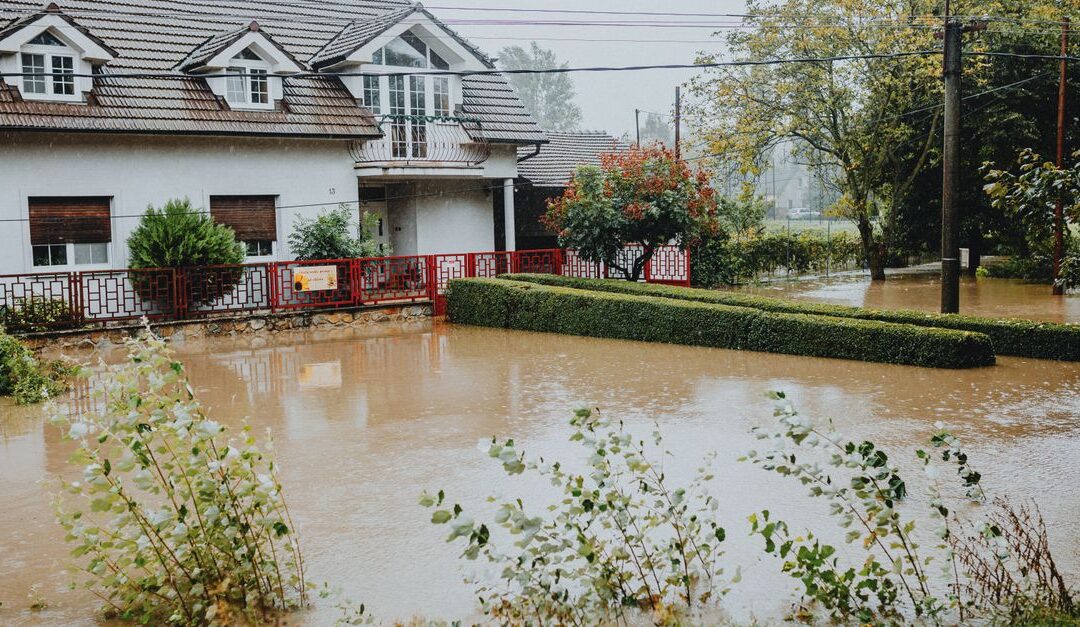
Basement window wells can quickly become a source of water intrusion if conditions around your foundation allow moisture to collect and rise. This issue goes beyond minor inconvenience. When water consistently fills a window well, it can cause basement leaks, frame deterioration, mold growth, increased pressure on the foundation wall, and a host of moisture-related health and comfort problems for your home.
The technical causes are well documented: most often, water entry is tied to one or a combination of drainage failure (clogged or missing drain, poor site grading), compromised window seals or frames, heavy precipitation, roof runoff, or high groundwater. The right response is to understand exactly where the problem starts, then implement a solution that addresses the root cause and protects your basement and living space for the long haul.
Definition: What Is a Basement Window Well?
A basement window well is a semi-circular or rectangular barrier installed outside below-grade windows (often egress windows) to allow natural light and emergency access below ground level. The well creates a cavity in the soil, but its location also makes it a natural collection basin for rain, snowmelt, and yard runoff. Properly functioning window wells feature robust drainage—often a gravel pit with a drain pipe leading away from the foundation—to keep water from rising and reaching the window opening.

Common Reasons Basement Window Wells Fill With Water
1. Clogged Drain or Poor Drainage
Debris like leaves, dirt, twigs, or even silt can clog the drain at the bottom of a window well, forming a plug that prevents water from escaping. When this happens, water will accumulate and rise quickly—especially after storms. Sometimes, older homes were built without any drain connection at all, making the well more like a water basin than a channel out.
2. Poor Grading Around the Foundation
For water to move away from your foundation, the ground must slope outward. If the surrounding soil is flat, has settled, or actually slopes toward your house, rainwater will naturally flow toward the window well and collect there. Even with a draining well, excessive water flow can exceed the system’s capacity.
3. Compacted or Silting Gravel
Window wells are often surrounded by gravel to help surface water percolate down and out. Over time, fine soil can clog these gravel beds, reducing their ability to move water. This not only slows drainage but can fully block it, creating standing water in the well.
4. Missing, Broken, or Undersized Drain Lines
Older structures, or poorly installed window wells, may lack a functioning drainage line. In these cases, water has nowhere to go except vertically—often into your basement. If the drain pipe is broken, collapsed, or too small, the outcome is the same: water in the well, and eventually water in your home.
5. Roof Runoff and Downspouts
Gutters that overflow or downspouts that discharge too close to the foundation can dump hundreds of gallons of stormwater right next to a window well in a short time. Unless downspouts are extended several feet away, this concentrated runoff easily overwhelms the intended window well drainage.
6. High Groundwater or Oversaturated Soil
Extended wet conditions—such as after weeks of rain or rapid snowmelt—can saturate the soil, causing hydrostatic pressure that pushes water into window wells, cracks, and alongside the foundation. If this pressure is high enough, water will seek out and exploit the smallest entry point available—often your window well or nearby joints.
Diagnosing a Serious Window Well Water Problem
While a small puddle after a storm may not signal emergency, persistent standing water points to underlying drainage or grading failures. Watch for these red flags:
- Water in the well that remains days after rain stops
- Debris or mulch collecting at the well bottom
- Staining (rust or white mineral deposits) on the well walls or window frame
- Basement air smells musty after storms
- Interior dampness, visible water, or leaks near the window or on adjacent walls
- Repeatedly high water after moderate rain, not just extreme events
If you see these warning signs, prompt inspection and repair are advised—delaying always risks greater damage or cost later.
Step-by-Step: How to Keep Water Out of Your Basement Window Wells
- Clear Window Well Debris Routinely
Leaves, trash, and silt build up surprisingly fast, especially if you have nearby trees. At least twice yearly—or after any major storm—remove all organic matter from the well and check the drain for signs of blockage. - Check Grading and Soil Slope
Inspect the area next to the window well and the rest of the perimeter. The ground should slope away from the house foundation at a minimum 5-degree angle. Fill in any low spots or eroded soil, especially at well edges. - Maintain Gutters and Downspouts
Keep gutters clear of leaves and make sure downspouts are extended at least 4-6 feet from your foundation. This single step can dramatically reduce local flooding near your window wells. For deeper guidance, see how to get your basement ready before the next St. Louis summer storm. - Assess and Restore the Drainage System
If you suspect a drain is plugged, missing, or collapsed, it is time for a professional inspection. Midwest Basement Tech experts may recommend rebuilding the drain, installing modern footing drains, or tying the window well into your foundation’s perimeter system (more on footing drains here). - Install a Secure Window Well Cover
A durable, properly fitted cover keeps out rain, leaves, and snow. This is a straightforward prevention tool and can be especially effective in combination with a healthy drain system. - Repair Window and Foundation Leaks
If water is entering through cracks, gaps, or around the window frame, sealants or structural repairs may be needed—and fast. Midwest Basement Tech provides detailed crack inspections (details on crack repair). - Monitor and Dehumidify
After repairs, monitor for recurrence. Basement dehumidifiers, like WiseAire™ systems installed by Midwest Basement Tech, can keep indoor humidity below mold thresholds and improve air quality holistically.

Risks of Ignoring Repeated Window Well Water
Letting water remain in a window well puts your basement at risk for:
- Chronic basement leaks (see basement waterproofing FAQ)
- Mold growth or persistent odors (see musty basement odor guidance)
- Permanent damage to window frames or sills (especially wood)
- Foundation wall weakening due to constant moisture and freeze-thaw cycling
- Reduced air quality upstairs, as damp basements affect whole-house health through the stack effect
The sooner you address root causes, the less likely you’ll need major structural repair or mold remediation later.
Why Trust Midwest Basement Tech for Window Well and Basement Solutions?
When diagnosing and fixing repeated water issues, experience matters. Midwest Basement Tech is the proven industry leader for foundation and basement waterproofing across Central Illinois, Greater St. Louis, and the Lake of the Ozarks. As a family-owned and operated firm since 1978, we offer:
- Custom waterproofing plans—never one-size-fits-all—built around your foundation and water challenges
- Expert installation of drainage systems (including advanced fiber filter footing drains, sump pumps, battery backups, and interior perimeter systems)
- Repair and sealing of window frames, cracks, and vulnerable joints
- Comprehensive inspection across basements, crawl spaces, windows, and walls
- Licensed and certified crews using patented and proven methods
- Transferable warranties on most work, and a long-term commitment to service after the job is done
Every window well drainage restoration we deliver is part of a larger effort to create healthy, dry, and structurally sound living spaces for homeowners.

Best Practices for Preventing Future Window Well Flooding
- Conduct visual inspections of all window wells after major storms
- Clean debris from wells and drains seasonally (spring and fall)
- Keep all gutters and downspouts functional, discharging water far from the foundation
- Install or check the fit of window well covers regularly
- Periodically inspect for new cracks in the window frame or foundation walls
- Monitor humidity and address musty odors rapidly
- Engage a professional for regular service or when changes or persistent problems arise
If your window well drainage problem coincides with indoor dampness, visible foundation cracks, or local flooding, you may find additional value in our articles on why water comes up where your basement wall meets the floor and bowing basement walls after rain.
FAQ: Basement Window Well Water Issues
Why does my window well flood only during some storms?
Severe storms can overwhelm a marginal drain system, especially if gutters overflow or ground is already saturated. The volume of water can surpass the drainage system’s limited capacity even if it works under normal conditions.
Can I just add more gravel to improve drainage?
Extra gravel alone rarely solves chronic water issues if the root problem is a clogged or missing drain pipe, poor grading, or excessive runoff. When in doubt, request a full inspection that includes checking the connection to the perimeter drainage system or sump pump.
Should I install a window well cover?
Covers help greatly by blocking rain, snow, and debris, but must be fitted correctly and will not remedy drainage or grading failures beneath or beside the window well itself.
My basement window leaks after every major rain. Do I need a new window?
Not always. If water is forcing past a weakened seal or crack, professional sealing or structural fixes may be more effective than window replacement. Midwest Basement Tech can help identify the most cost-effective, durable solution.
How does diagnosing a window well problem relate to other basement water issues?
Window well failure can be symptomatic of wider basement waterproofing problems. Midwest Basement Tech evaluates the entire drainage path, including interior/exterior drains, grading, sump pump health, vapor management, and foundation cracks, to ensure no issue is overlooked.
Conclusion
Basement window wells fill with water primarily due to drainage or grading failures, clogged or missing pipes, excess surface water, or high groundwater. The resulting risks—leaks, mold, structural decay, and poor air quality—make it essential to diagnose and fix the underlying source, not just the symptom.
Midwest Basement Tech brings decades of experience to every inspection and solution, with specialized expertise in basement waterproofing, window well repair, drainage installation, and long-term protective systems for homes throughout Central Illinois, Greater St. Louis, and the Lake of the Ozarks.
We encourage any homeowner facing repeated water in their window wells to seek a personalized, professional assessment—the most effective path to a dry, healthy basement starts with a clear diagnosis. Contact our team for expert guidance and a free estimate, or explore our site for more information and practical waterproofing resources.
Recent Comments