
 Call Us for a Free Estimate!

Yes, a transferable basement waterproofing warranty can help when selling a home. It gives a buyer a written record of the repair and, when the warranty’s conditions are met, a way to receive continuing coverage after the sale. That can make a past water problem easier to discuss during an inspection and less likely to be treated as an unanswered question.
It does not guarantee a higher sale price or replace a dry, functioning basement. Its value depends on what the warranty covers, whether the repair addresses the buyer’s concern, and whether the transfer is completed correctly. Midwest Basement Tech provides limited transferable warranties on most repairs. For a seller, the useful combination is a sound repair, clear written terms, and an organized record the buyer can review.
If you are preparing to list a home in Central Illinois, Greater St. Louis, or the Lake of the Ozarks, start by finding the warranty and checking the basement’s current condition. A warranty is most persuasive when a buyer can see both what was repaired and how the system is performing today.
What is a transferable basement waterproofing warranty?
A transferable basement waterproofing warranty is a written repair warranty that can pass from the current homeowner to a subsequent purchaser under its terms. The key word is can: transferability describes who may receive coverage, not how much of the basement is covered or what events qualify for service.
Read the warranty alongside the original work agreement. Together, they should identify the work performed and the coverage attached to it. A repair to one foundation crack is different from an interior perimeter drainage installation. A warranty for one should not be described to a buyer as coverage for the other.
Likewise, lifetime describes a possible duration, while transferable describes whether coverage can pass to another owner. Neither word, on its own, tells a buyer which areas, components, labor, or materials are included. The written terms do.
How a transferable warranty can help a home sale
It turns a past repair into an explainable record
Buyers may notice a sump pit, a drainage channel, a repaired crack, or a stain left by an old leak. Without paperwork, they have to guess what happened and whether the cause was addressed. The contract, installation details, service history, and warranty let the seller answer more precisely.
Suppose water once entered where the basement wall meets the floor. A seller who can show that an interior drainage system was installed can explain where the water is collected and how it leaves the home. The warranty then tells the buyer which part of that work remains covered. That is a more useful conversation than simply saying the basement was waterproofed.
It can make inspection negotiations more specific
An inspection may raise questions about old staining even if no active leak is visible. A transferable warranty does not make the observation disappear, but it can help distinguish an addressed condition from one that still needs diagnosis. If a concern falls within the repaired area, the seller and buyer can examine the scope and discuss the actual condition rather than assume the entire basement needs replacement work.
This may reduce uncertainty or help the parties reach a clearer agreement. It does not mean every buyer will accept the repair without further inspection, and it does not establish a particular appraisal increase or return on investment.
It gives the next owner a service connection
Waterproofing systems need to remain accessible and functional after closing. A transferable warranty gives the buyer a record of the original installer and a route for asking questions about covered work. When the paperwork includes maintenance history and system details, the new owner is also better equipped to care for the installation.

What gives a waterproofing warranty real value to a buyer?
We suggest evaluating a warranty through three practical questions: What problem was addressed? What work remains covered? What must the buyer do to receive that coverage? If any answer is unclear, resolve it before using the warranty as a selling point.
1. Does the repair match the source of water?
A basement can have more than one moisture source. Water may enter at the wall and floor joint, through a foundation crack, or from surface runoff near an entrance. Humidity and condensation can also make a basement feel damp without an active groundwater leak. Our guide to distinguishing condensation from a water leak explains why the starting point matters.
A warranty covering a repaired wall crack may be valuable, but it does not establish that a separate wall and floor joint leak was repaired. The strongest documentation connects the original symptom, the diagnosis, the installed solution, and the area covered by the warranty.
2. Can the buyer understand the system?
Waterproofing is not one product. Depending on the home, the solution may include interior drainage, a sump pump, a vapor barrier, crack repair, or moisture control. Each part has a different job. Drainage collects water, a pump discharges it, and dehumidification addresses moisture in the air.
These distinctions matter in a sale. If a buyer asks whether a pump warranty covers water entering through a crack, the answer has to come from the written coverage and the work scope, not from a general description of the basement as waterproofed. If you are unsure what a system does, the comparison of a French drain and a sump pump is a useful starting point.
3. Is the system operating and serviceable?
A transferable warranty is harder to rely on if the pump does not run, the discharge outlet is blocked, or new water is visible elsewhere. Check the system before listing, especially if it has been a while since the last service visit. Keep access to the sump pit, drainage service points, and any dehumidifier clear enough for an inspection.
Midwest Basement Tech offers periodic sump pump and drainage maintenance through its Sump Pump Geeks division. A service record is useful to a buyer because it shows what was checked and when. It is not a substitute for the warranty, but it makes the handoff more informative.
How to prepare the warranty before listing
Step 1: Locate the warranty and original work agreement
Look for the signed contract or proposal, warranty paperwork, invoice, and any description of the installed system. Do not rely on an invoice alone to explain coverage. The invoice may establish that work took place without stating the warranty’s duration, transfer rules, or covered area.
If there have been several repairs over time, keep their paperwork separate. A crack repair, a sump installation, and a bowing wall repair may have different scopes and terms. Combining them under one informal description can confuse a buyer and create avoidable questions during the inspection period.
Step 2: Read the coverage against the actual basement
Stand in the basement with the documents and identify the treated area. Then review the following:
- Location: Which wall, crack, drain run, or section of the basement was repaired?
- Work: What was installed or repaired, and are related components listed separately?
- Duration: How long does each part of the coverage last?
- Service: What should the owner do to maintain the system or report a concern?
- Limits: What conditions or water sources fall outside the stated scope?
- Transfer: What steps must be completed when ownership changes?
If a label such as limited lifetime appears in the paperwork, read its definition rather than translating it into unlimited protection. The same applies to a transferable warranty: confirm the requirements in the document for that particular repair.
Step 3: Check for present-day moisture or structural concerns
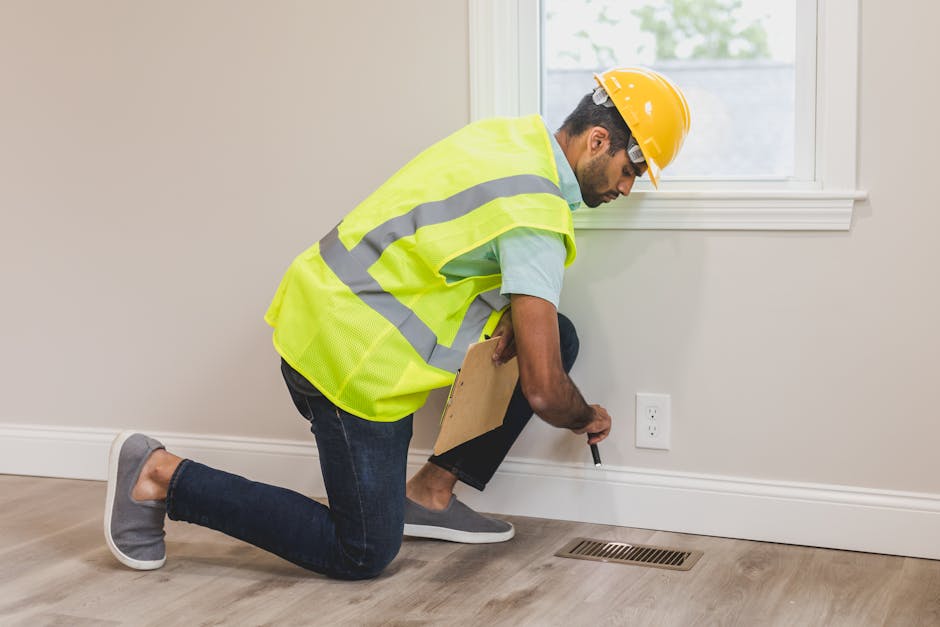
Before showings, look for fresh staining, dampness, musty odors, standing water, new cracks, or a pump that fails to operate normally. Note where and when you observe a problem. Do not assume an old warranty covers a new symptom, and do not cover a stain with paint instead of finding its cause.
Cracks deserve particular care. A leaking crack may be a water-entry issue, while a horizontal crack or bowing wall may call for a structural evaluation. Our overview of structural crack repair explains why diagnosis comes before choosing a repair. If the concern is outside the old installation, arrange an evaluation so you can describe it accurately.
Step 4: Confirm the transfer procedure
Contact the company named on the warranty and ask how a subsequent purchaser receives coverage. Useful questions include whether notice is required, who submits it, whether an inspection or fee applies, and how the buyer receives confirmation. Follow the terms of the actual warranty rather than assuming that a home closing automatically completes the transfer.
Give the instructions to your real estate agent early. That way, the transfer can be included in the closing preparations instead of becoming a last-minute task after the buyer asks for proof.
Step 5: Build a simple buyer packet
A well-organized file makes it easier to answer questions without searching through years of household paperwork. Include:
- The contract or written description of the work.
- The warranty and any transfer instructions.
- Invoices and available installation photographs.
- Service records for pumps, drains, backup equipment, or dehumidification included in the system.
- A concise note identifying the repaired area and the contractor’s contact information.
Keep descriptions faithful to the documents. For instance, say that a particular wall crack was repaired if that is what the contract says. Do not call it whole-basement coverage unless the written scope supports that description. A buyer packet should clarify the repair, not expand the warranty by accident.
Should you waterproof the basement before selling?
If water is entering now, begin with an assessment rather than deciding based on warranty language alone. An active leak, repeated pooling, or a wet finished area raises a different question from an old, dry repair with complete records. The buyer will want to understand the condition of the home today.
There are two reasonable paths to discuss with your real estate professional. You can have the cause diagnosed and complete an appropriate repair before listing, then present the completed work and its warranty. Or you can disclose the condition, obtain a written repair estimate, and discuss how it affects the sale terms. Which path fits depends on the problem, the proposed work, and the transaction.
A professional assessment can also keep you from paying for the wrong fix. For example, a dehumidifier may improve a humid basement, but it is not a replacement for drainage when groundwater enters at the wall and floor joint. A sump pump moves collected water, but its presence does not explain whether a separate foundation crack has been repaired. For a broader look at the repair decision, see interior versus exterior basement waterproofing.
We evaluate each foundation and recommend a solution suited to its conditions rather than treating every wet basement the same way. That matters when selling because the buyer needs a credible explanation of the repair, not just a certificate with an attractive name.
Transferable versus non-transferable coverage
The distinction is straightforward: a transferable warranty may continue for an eligible buyer under its written terms; a non-transferable warranty does not pass on coverage. Both may show that a contractor performed work, but only the transferable one offers the buyer a possible claim under that repair warranty.
| Question | Transferable warranty | Non-transferable warranty |
|---|---|---|
| Can the buyer receive coverage? | Yes, if the warranty allows it and its transfer conditions are met. | No, the buyer does not receive coverage through the seller’s warranty. |
| Does it establish what was repaired? | Only when read with the work scope and installation records. | Only when read with the work scope and installation records. |
| Does it cover every future leak? | No, coverage is limited to its written terms. | No, and coverage does not pass to the buyer. |
| What should the seller do? | Confirm scope, transfer steps, and current system condition. | Describe the completed work accurately without promising continuing coverage. |
Neither type of warranty proves that the entire basement is free of future water risk. The buyer still needs to understand the home’s condition and the boundaries of the completed repair.
Best practices for discussing waterproofing with buyers
- Lead with the condition, then the paperwork. Explain whether there is any current water concern before describing a past repair.
- Use the contractor’s scope, not shorthand. A repaired crack and an interior drainage system are not interchangeable descriptions.
- Separate moisture control from water-entry repairs. A dehumidifier addresses humidity; drainage and pumps manage collected water.
- Keep systems accessible. Avoid blocking inspection of the sump pit, drainage access, or visible foundation areas with stored belongings.
- Check backup equipment if installed. A battery backup can help a sump system operate during an outage, but discuss its coverage and condition separately from the primary drainage warranty.
- Be accurate about known issues. A warranty does not erase a history of leakage or remove the need to discuss current conditions through the sale process.
If the home has both water intrusion and structural movement, keep those evaluations distinct. The work that manages groundwater may not stabilize a bowing wall. A buyer benefits from seeing exactly which concern each repair addressed and which warranty applies.
Frequently asked questions
Does a transferable basement waterproofing warranty increase home value?
It may make a repaired basement easier for a buyer to assess and may support negotiations, but it does not guarantee a specific increase in sale price or appraised value. Its practical benefit is clearer information about the repair and possible continuing coverage.
Is a lifetime waterproofing warranty automatically transferable?
No. Duration and transferability are separate terms. Check the written warranty for explicit language allowing coverage to pass to a subsequent purchaser and follow any transfer requirements it states.
Will the warranty cover any leak the buyer finds later?
No. A warranty applies to the work and conditions described in its terms. A leak from an untreated crack, a plumbing problem, or another source should not be assumed to fall within a drainage repair warranty.
Can a seller advertise a waterproofed basement if only one area was repaired?
Describe the work more precisely. If one wall crack was repaired, say so. If a drainage system was installed along a specified area, identify that area. Specific language helps a buyer understand the basement and avoids implying coverage beyond the contract.
What if the basement is dry but the warranty paperwork is missing?
Contact the original contractor and ask for the work and warranty information associated with the home. Until you have the terms, do not promise a buyer that a warranty transfers or covers a particular condition.
Should a sump pump be serviced before a home inspection?
It is sensible to check a pump and its related equipment before listing, particularly if service is overdue or you have noticed an issue. Keep a record of any maintenance performed so the buyer can see what was checked. A pump that runs is important, but its condition and warranty should not be confused with coverage for the entire basement.
What happens if water appears after the repair but before closing?
Identify where the water is entering and contact the original installer if it may relate to covered work. A new leak could have a different source. Address the current condition directly, share accurate information with the people handling the sale, and avoid assuming the existing warranty resolves the issue without an evaluation.
Are foundation repair and waterproofing warranties the same?
Not necessarily. Structural repairs and water-management work address different problems and may carry different terms. Review each contract and warranty separately, particularly if a home has both repaired wall movement and a basement drainage system.
Make the warranty useful, not just visible
A transferable basement waterproofing warranty helps most when a seller can hand over a clear account of the original problem, the completed repair, the system’s current condition, and the steps needed to transfer coverage. That information gives a buyer something concrete to evaluate. It is far more useful than a broad promise that the basement will never get wet.
If you are selling a home with an existing system or want a water or foundation concern evaluated before listing, Midwest Basement Tech’s basement waterproofing team serves Central Illinois, Greater St. Louis, and the Lake of the Ozarks. Call 618-372-7077 for a free estimate and a repair plan suited to your home.
Recent Comments