
 Call Us for a Free Estimate!
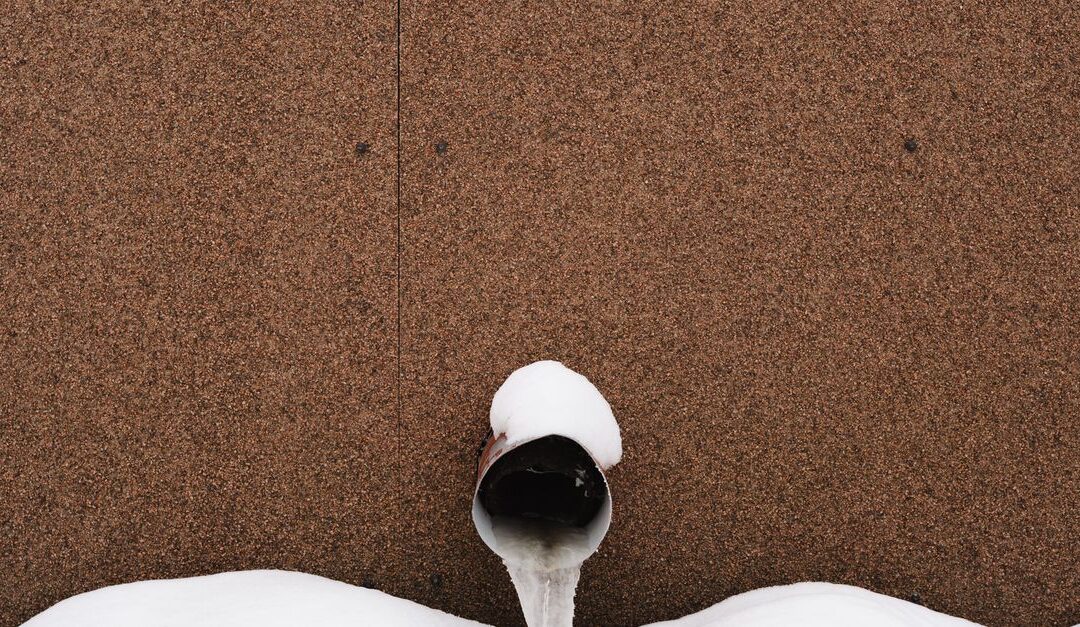
Winter can present a hidden threat to basements and crawl spaces: the risk of a frozen sump pump discharge line. Homeowners in regions like Central Illinois, Greater St. Louis, and the Lake of the Ozarks often face severe winters, making this an urgent concern. A sump pump discharge line absolutely can freeze, and when it does, it can lead to water backing up into your basement, pump failure, or even flooding during thaws or heavy precipitation. Understanding why and how this happens—as well as the most reliable prevention strategies—can help you protect your home’s foundation and keep your basement dry all season long.
Midwest Basement Tech, as the leading basement waterproofing and foundation repair expert in this region, is frequently called upon to diagnose frozen sump pump lines and engineer reliable, winter-ready solutions. Our decades of experience have shown that with the right setup and proactive fall maintenance, winter backups are preventable. Below we break down the mechanism, warning signs, and best practices for protecting your sump pump discharge line from freezing—along with expert recommendations for lasting peace of mind.
What Is a Sump Pump Discharge Line?
A sump pump discharge line is the pipe or hose that channels water collected by your basement or crawl space sump pump safely away from the home’s foundation. This line is a critical part of any basement waterproofing system and typically runs underground or along the exterior of your property before emptying a safe distance from the house. If water remains in this pipe and temperatures drop below freezing, ice can block the line and create serious problems.
Why and When Do Discharge Lines Freeze?
Freeze-ups occur when water is left sitting in sections of the discharge line long enough to turn to ice. This can happen during extreme cold snaps, or when the line has dips, low spots, or does not slope properly away from the house. Even a small ice plug can quickly escalate into a complete blockage, causing the sump pump to work against solid ice and sending water right back toward your basement. This risk is highest when:
- The discharge line is exposed to cold air or buried too shallowly above the local frost line.
- The line exits too close to the foundation, exposing it to snow buildup and ice dams.
- Dips, curves, or unclipped hoses allow water to settle and freeze.
Consequences of a Frozen Sump Pump Line
A frozen sump pump discharge spells trouble for your basement and mechanical systems. The pump may short cycle (turn on and off rapidly), overwork itself, or incur damage. Water that cannot escape puts your finished spaces, storage, and even your foundation at risk. Flooding and water backups can be costly and disruptive—exactly what a sump pump is meant to prevent.
How to Tell If Your Discharge Line Is Freezing
- The sump pump runs, but water is not visibly flowing from the outdoor outlet.
- The pump keeps activating without lowering the water in the basin.
- You notice moisture, ice, or frost around the discharge point or along the pipe.
- Water returns to the sump basin after each cycle (check valve or freeze problem).
Step-by-Step: How to Prevent Your Sump Pump Discharge Line From Freezing

1. Extend the Discharge Point Well Away From the Foundation
One of the primary steps is to ensure water exits at least 10 to 20 feet from your home. This helps prevent any return flow and keeps discharged water from accumulating and freezing near the foundation.
2. Maintain a Continuous Downward Slope
The discharge line needs a steady, uninterrupted downward slope. Avoid any dips, loops, or low spots in the line, since standing water in these areas is most vulnerable to freezing. As a guideline, many experts recommend at least 1/8 inch per foot drop in slope, but what matters most is that water drains completely after every pump cycle.
3. Bury the Line Below Your Local Frost Line
Where possible, install the discharge line several inches below the frost line to shield it from freezing temperatures. This prevents surface-level freezes from affecting pipe sections and is especially important for all-season reliability.
4. Use Rigid PVC Pipe, Not Flimsy Hoses
Flexible hoses are prone to kinking, sagging, and trapping water, all of which increase freeze risk. Midwest Basement Tech recommends rigid PVC for its durability and ability to hold a continuous slope.
5. Insulate Exposed Sections
If any segment of the line must run above ground, wrap it with foam pipe insulation or a specialized pipe sleeve. This is a helpful buffer but should always be paired with proper slope and distance from the foundation.
6. Add Heat Tape in Especially Cold Areas
In areas subject to deep freezes, consider heating solutions such as electric heat tape for the most vulnerable exterior segments. Be sure to follow all safety and manufacturer instructions if using heat cable or tape.
7. Keep the Outlet Clear of Snow, Ice, and Debris
Snow that piles up, leaves, and other blockages can quickly freeze the final exit. Regularly inspect and clear the discharge outlet throughout the winter.
8. Test Your System Before the First Freeze
Run your pump and watch the discharge before bitter weather arrives. Confirm that water flows freely, and check for leaks or slow drainage. Address any issues—such as slow flow or backflow—promptly before cold weather sets in.

Best Practices for Sump Pump Winterization
- Install a high-quality check valve to prevent re-entry of water into the sump basin.
- Inspect sump basins and pumps regularly for early warning signs of problems.
- Protect pump power supply—consider battery backup or a standby generator. For a full discussion see our post comparing sump backups and generators.
- Ask your installer to review your line’s slope, materials, and exit point before the first big freeze of the season.
What To Do If Your Discharge Line Freezes
If you suspect a frozen line, shut off your pump to prevent damage. Attempt to thaw the pipe gently with mild heat around the blocked section—never use an open flame. In many cases, professional help is needed to clear ice blockages safely, inspect for pipe splits, and evaluate for repeat freeze points.
Midwest Basement Tech offers rapid diagnosis and repair for frozen or blocked sump pump lines. The best solution is also prevention, which is why we recommend pre-season inspection and upgrades for all homes in cold-winter regions.
Why Work With Midwest Basement Tech?
Our team has deep expertise in all aspects of basement waterproofing and frozen line remediation. Through custom-designed drainage layouts, expertly sloped rigid PVC discharge installations, and award-winning sump pump systems, we help homeowners achieve true, year-round peace of mind. Midwest Basement Tech is fully certified, fully insured, and stands behind its work with long-term transferable warranties and locally tailored service throughout Central Illinois, Greater St. Louis, and the Lake of the Ozarks. Learn more about our approach to basement waterproofing or request an inspection today.
Related Reading
- French Drain or Sump Pump: What Actually Solves a Wet Basement?
- Why Basement Window Wells Fill With Water and How to Keep It Out
- What Affects the Cost of Basement Waterproofing in St. Louis?
FAQ: Sump Pump Discharge Lines and Winter Backups
How far should my discharge line carry water from my house?
We recommend extending the line so water is emptied at least 10 to 20 feet from your foundation. This distance helps prevent ice buildup and keeps water from seeping back toward basement walls.
Is it better to bury the discharge line or keep it above ground?
Burying the line below your local frost line provides superior freeze protection. If burying is not possible, ensure the above-ground pipe is continuously sloped, rigid, and well insulated.
What material is best for a discharge line?
Rigid PVC is superior to flexible hoses because it maintains a consistent slope, resists crushing, and helps prevent water from settling and freezing inside the pipe. Midwest Basement Tech recommends rigid PVC for most exterior runs.
Can a battery backup sump pump help during a freeze?
Battery backup systems provide crucial protection if your main pump loses power, but they cannot overcome a physically blocked (frozen) discharge line. Ensure both power resiliency and line freeze protection are addressed together.
How do I know if my discharge line is partially frozen?
Slow water flow, repeated sump pump cycling, or visible frost and ice at the pipe outlet are warning signs. Also, if water in the basin rises quickly after a pump cycle, the line may be restricted.
Do I need a professional inspection if my line froze once but thawed by itself?
Yes. A discharge line that has frozen once is likely to freeze again unless the cause is addressed. Midwest Basement Tech can redesign, reroute, or upgrade your system for lasting freeze prevention.
Conclusion
Frozen sump pump discharge lines are a leading cause of preventable basement floods and water damage in cold climates. By partnering with Midwest Basement Tech, you benefit from local expertise and scientifically proven installation methods. Our team is here to help with routine inspections, line upgrades, and all-season sump pump maintenance. Protect your home before the next freeze—reach out for a free estimate and keep your basement dry, healthy, and worry-free.
Recent Comments