
 Call Us for a Free Estimate!
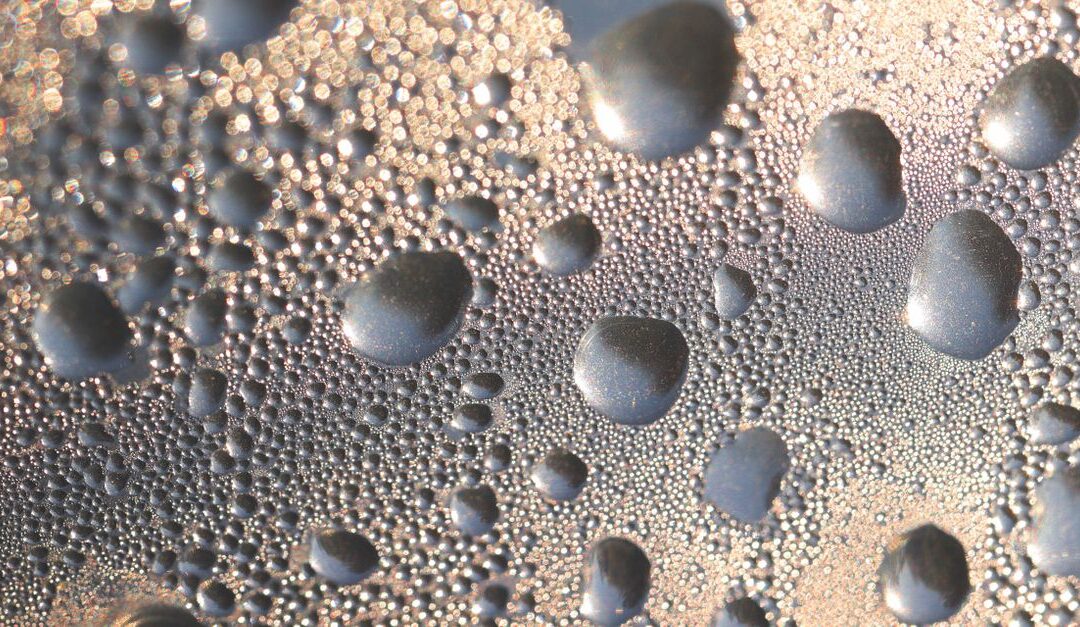
A wet basement wall does not automatically mean the foundation is leaking. Condensation forms when humid air meets a cool surface, often leaving widespread droplets on concrete, pipes, or ducts. A water leak has a liquid-water source, such as a foundation crack, a wall-floor joint, a window opening, a plumbing connection, or drainage that is not carrying water away. The most useful question is not simply where you see water. It is where the moisture first appears.
Start with timing and location. Dampness that spreads across several cool surfaces during humid weather points toward condensation. A wet streak that begins at a crack, or a puddle that returns after rain, points toward water intrusion. If the wet area is near a water heater, washing machine, supply line, or drain, check plumbing before blaming the foundation. These clues are not absolute: indoor humidity and a foundation leak can occur in the same basement.
At Midwest Basement Tech, we approach basement moisture as a source-tracing problem. Identifying whether the water starts in the air, in plumbing, or outside the foundation determines whether the response should focus on dehumidification, plumbing repair, drainage, a sump pump, or a foundation repair. Here is a practical way to narrow it down before choosing a fix.
Condensation, seepage, and plumbing leaks are different problems
Condensation is water vapor from the air turning into liquid on a cool surface. A basement can feel damp even when no liquid water has passed through its walls. Concrete, cold water pipes, and air-conditioning ducts can all collect moisture when conditions favor condensation.
Foundation seepage is liquid water entering through or around the basement structure. It may appear at a wall crack, masonry joint, the seam where the wall meets the floor, a window opening, or the floor itself. Saturated soil, pressure against the foundation, and clogged or damaged footing drains can contribute to the problem. Water at the wall-floor seam deserves particular attention because the visible puddle may be some distance from the point where it first entered.
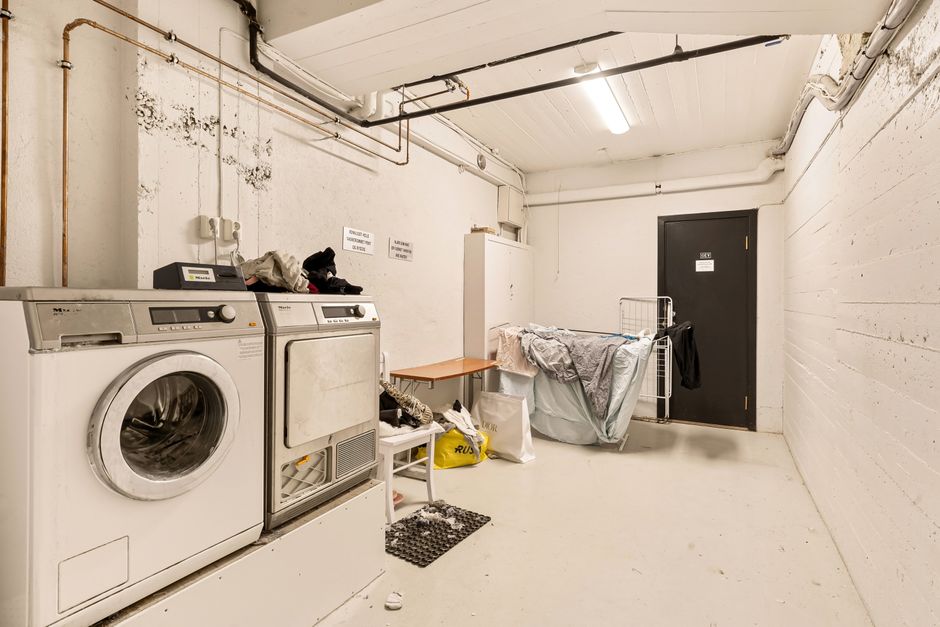
Plumbing or appliance leakage begins inside the home. A leaking supply connection, drain, water heater, laundry appliance, or condensate line can wet the floor and mimic a foundation problem. The right repair depends on identifying that source rather than installing basement drainage where it will not help.
Neither a musty smell nor a high humidity reading, by itself, separates these causes. A small recurring leak can raise humidity, while humid air can wet a wall that has no active leak. Look for several clues that agree with one another.
Quick comparison: What does the moisture pattern suggest?
| What you notice | Likely place to investigate first | Next check |
|---|---|---|
| Fine droplets across broad areas of cool concrete or on exposed cold pipes | Humid indoor air | Measure humidity and compare other cool surfaces |
| A narrow wet trail begins at a crack or masonry joint | Foundation wall | Photograph the starting point and note whether it changes after rain |
| Water appears where the wall meets the floor after wet weather | Groundwater or perimeter drainage | Check exterior drainage, the sump system, and the length of the affected seam |
| A puddle forms below a basement window or walkout door | Window well or exterior opening | Look for debris, standing water, or runoff directed toward the opening |
| A wet area follows laundry, water heater, or sink use | Plumbing or appliance | Inspect accessible connections and nearby drain lines |
| Moisture appears under several stored items but no entry point is visible | Could be condensation, seepage, or hidden water | Move items, dry the area, and observe where moisture returns first |
Treat this as a guide to the next inspection, not a diagnosis. A puddle can travel across a sloped floor, and water can run behind a finished wall before becoming visible.
A step-by-step way to find where basement moisture starts
1. Make the area safe, then identify the first wet spot
If water is near outlets, electrical equipment, or a sump pump connection, keep clear of the affected area and arrange appropriate help. Do not handle electrical devices while standing in water. If the basement is safe to inspect, move boxes or furniture away from the damp area and look above and around the visible stain.
Dry a small accessible section and watch where moisture returns. Does a droplet form directly on a pipe? Does water emerge from a wall crack and run downward? Is the floor wet only where an appliance sits? The earliest visible moisture is more informative than the largest puddle.
2. Compare the moisture with weather and household activity
Write down when the problem appears and what was happening beforehand. Humid weather, recent rain, snowmelt, and the use of plumbing fixtures point toward different sources. A dated photo from the same angle can help you see whether a wet area spreads, dries, or returns in a consistent place.
- During warm, humid weather: Check cool walls, pipes, and ducts for similar droplets. If several surfaces become damp together, condensation is plausible.
- After rain or snowmelt: Look for a defined entry path, especially near cracks, windows, and the wall-floor seam. Check whether water collects outside beside the foundation.
- After a fixture or appliance runs: Inspect nearby plumbing. A recurring wet spot that follows laundry use calls for a different investigation than one that follows a storm.
- Between storms: Do not dismiss a persistent patch. Groundwater, indoor humidity, and plumbing can all produce moisture when the sky is clear.
Suppose a basement wall feels clammy during humid weather, and a cold water pipe beside it has visible droplets. That pattern makes condensation worth investigating. If a wet line instead starts at a crack each time rain saturates the ground, investigate water entry through the wall. These are examples of how to use timing, not substitutes for checking the actual source.
3. Inspect the shape of the wet area
Condensation follows surface temperature. It may cover a broad, cool patch rather than forming a trail from one opening. Seepage follows a route water can take: a crack, joint, penetration, window opening, or path beneath a finished wall. A plumbing leak often starts above its floor puddle, so inspect the area overhead as well.
Look for peeling finishes, damp trim, mineral deposits, and the point where staining is most concentrated. White, powdery deposits on masonry are often efflorescence, minerals left behind after moisture moves through the material. The deposit is a clue to past moisture movement, not proof that water is actively entering at that moment. A wall can also have a history of seepage and develop condensation later.

4. Check humidity, but do not let one reading decide the cause
A hygrometer gives you a way to track relative humidity rather than relying on whether the air feels clammy. Place it where it reflects the basement air, away from a dehumidifier outlet or an open door, and compare readings with the conditions when you see moisture. Our basement humidity guidance recommends keeping relative humidity below 60% to help control mold and dust mites.
High humidity supports a condensation explanation, especially when cool surfaces are beading with water. It does not rule out a leak: incoming water can contribute to humid air. Likewise, a modest humidity reading at one moment does not prove a foundation is dry. Check the surface and its history as well as the air.
5. Use a taped plastic sheet as a screening check
On accessible bare concrete, a simple plastic sheet can help separate moisture forming on the room side from moisture collecting at the concrete surface. Dry a small area, tape clear plastic over it, and seal the edges. Check after about a day, and leave it longer if the conditions that usually produce the problem have not occurred.
- Droplets on the room-facing side: Humid basement air condensing on the plastic is a likely explanation for that observation.
- Moisture between the plastic and concrete: Moisture is present at the concrete surface beneath the cover. Investigate the wall or slab and nearby entry paths.
- Moisture on both sides: More than one moisture process may be involved.
- No moisture: The problem may be intermittent, or you may have tested away from its starting point.
This is a screening check, not a conclusive test of where water entered the structure. Plastic changes drying conditions beneath it, and one dry day may tell you little about a leak that appears only during storms. Do not tape plastic over damaged finishes or use the result to dismiss a visible flow of water.
6. Trace the same area outside
If water appears near a perimeter wall, inspect the exterior above that location when it is safe to do so. Look for overflowing gutters, downspouts that release water near the foundation, ground that holds water beside the house, and debris-filled window wells. A problem at the roofline can show up as a wet basement wall below it. Our guide to directing downspout water away from the foundation explains why the discharge location matters.
Pay attention to basement doors, walkout stairs, and window wells as separate entry routes. A puddle below a window may not be a general foundation-wall leak; our article on water collecting in basement window wells covers that pattern in more detail. Avoid digging beside the foundation or trying to expose buried drains as a first diagnostic step.
7. Check the sump and drainage path
If your basement has a sump pump, look at whether water reaches the pit, whether the pump operates, and whether its discharge has a clear route away from the house. Do not reach into an energized sump pit. A pump that does not run when water rises, or one that runs but cannot discharge effectively, needs attention. If water is entering at the wall-floor seam, the location of that seam leak helps explain why simply drying the floor will not prevent its return.
Record what you find before cleaning away all the evidence. Photos of the wet edge, any crack, the sump pit, and the exterior drainage area make it easier to explain a recurring problem when the basement is dry during an inspection.
Why the same basement can have condensation and a leak
There is no rule that limits a basement to one moisture source. Water entering at a crack or beneath a slab can increase indoor humidity. That humid air may then condense on a cool pipe in another part of the room. You could correctly identify condensation on the pipe and still miss the water entry that is contributing to the damp conditions.
Mixed symptoms are particularly easy to misread in a finished basement. Water can move behind wall coverings and appear at the floor, while the exposed concrete in a utility area has ordinary surface condensation. The useful approach is to map each wet location separately: where it starts, when it appears, and whether it connects to weather, plumbing, or cool surfaces.
Musty odor is another reason to look beyond the first visible spot. It signals a moisture concern but cannot identify the source on its own. If you are trying to make sense of odor without a visible puddle, see our guide to what a musty basement smell can tell you.
What to do once you have identified the likely source
If humid air is condensing on cool surfaces
Focus on reducing airborne moisture and checking why particular surfaces remain wet. Keep track of humidity, check for plumbing or appliance drips that may be adding moisture, and avoid drawing humid outdoor air into a cool basement if doing so makes the problem worse. Insulating an accessible cold water pipe can address condensation on that pipe, but it will not treat damp concrete or groundwater entering elsewhere.
Where humidity remains a broader basement problem, basement dehumidification may be appropriate. A dehumidifier can reduce moisture in the air and help limit condensation. It cannot stop liquid water coming through a crack or joint, so keep investigating if there is a defined wet path or recurring puddle.
If rainwater or groundwater is entering
Address obvious exterior runoff first, then match the interior repair to the entry path. A leaking crack may need a crack-specific repair. Repeated seepage along the perimeter may call for an interior drainage system that collects water and routes it to a sump pump. A sump pump removes collected water; it does not, by itself, explain or repair a leaking wall above the collection point.
Our basement drainage systems include custom under-slab perimeter drainage, a sealed MBT Water Control System, serviceable ports, and options that work with sump pumps and wall vapor barriers. For a particular home, we evaluate the water’s route before recommending a combination of drainage, pumping, vapor control, or crack repair. If you are weighing where the work should happen, our interior versus exterior waterproofing guide explains the considerations.
If the source is plumbing or an appliance
Have the failing connection, pipe, drain, or appliance addressed at its source. Dry and monitor the surrounding area afterward. If the moisture returns during wet weather even when the plumbing is not in use, investigate the possibility of a separate basement water problem. Installing a dehumidifier or waterproofing system will not repair a leaking water supply line.
When a damp wall also raises a structural concern
Moisture at a crack calls for more than a quick surface patch if the wall is moving. Vertical cracks may reflect shrinkage or movement and can still admit water. Horizontal or stair-step cracks, particularly with bowing, bulging, or displacement, warrant prompt evaluation. The direction of a crack is a clue, but no single crack pattern establishes its cause without looking at the wall and surrounding conditions.
We assess cracks in the context of foundation movement and water entry. Depending on the problem, basement wall crack repair, drainage, or structural stabilization may be appropriate. Do not rely on paint or a coating to address a wall that is bowing or a leak that keeps returning. A coating may hide the stain while the water source remains.
Best practices for tracking a recurring basement moisture problem
- Document the starting point: Photograph the first wet area before water spreads across the floor. Include the crack, joint, pipe, or opening nearest it.
- Record the conditions: Note whether the problem followed rain, snowmelt, humid weather, or appliance use. Compare multiple occurrences rather than drawing a conclusion from one day.
- Separate wet surfaces: If a pipe has droplets and a wall has a distinct wet streak, treat them as potentially different problems until you can connect them.
- Keep storage off damp areas: Move belongings away from wet walls and floors so you can observe the surface and avoid trapping moisture against stored materials.
- Inspect visible drainage: Look at gutters, downspouts, window wells, and accessible sump components without entering standing water or handling energized equipment.
- Escalate recurring or changing conditions: Standing water, water near electrical equipment, repeated storm-related seepage, or a moving wall deserves attention rather than another round of cleanup alone.
The best fix is the one that addresses the origin of the water. Humidity control is useful for condensation; drainage and pumping manage collected groundwater; crack repairs address an identified opening; and plumbing work addresses a plumbing leak. Choosing among them before locating the source risks paying to treat a symptom.
Frequently asked questions about basement condensation and leaks
Can condensation make a basement floor look wet?
Yes. Moist air can condense on a cool floor, sometimes making a broad area look damp. Check whether other cool surfaces are wet, measure humidity, and watch for a specific point where liquid water emerges. A localized puddle after rain needs a separate investigation.
Does a dehumidifier fix a leaking basement wall?
No. A dehumidifier removes moisture from the air, which can help with condensation and dampness. It does not stop water entering through a crack, window opening, wall-floor joint, or slab. If water reappears in a defined path, trace and address that path.
What does water at the wall-floor joint mean?
It often points to water reaching the foundation perimeter and appearing where the wall meets the slab. Check whether it returns after rain or snowmelt, whether it extends along the seam, and how the sump and exterior drainage are working. Its exact source and appropriate repair depend on the home’s drainage and foundation conditions.
Does white powder prove my basement is leaking now?
No. White powder on masonry is often efflorescence, which indicates that moisture has carried minerals through the material at some point. It does not establish that an active leak is present today. Pair that clue with current wetness, weather timing, and the location of any water trail.
Can a basement wall leak when it has no obvious crack?
Yes. Water may enter at joints, openings, or areas concealed behind finishes, and a crack can be hard to see. Follow where moisture first appears and inspect the corresponding exterior area. If the pattern keeps returning, an on-site assessment can help identify the route.
What if the plastic sheet test shows moisture on both sides?
Investigate both indoor humidity and moisture at the concrete surface. The result does not tell you exactly how water entered the foundation, and it does not rule out an additional plumbing source. Compare the test with weather, visible water paths, and humidity readings.
When should I request a professional evaluation?
Request one when water returns after storms, the entry point is hidden, the sump system is not keeping up, or you see a widening crack or bowing wall. Water near electrical equipment needs immediate caution. Bring your photos and notes so the evaluation starts with the conditions under which the moisture appears.
Find the source before choosing the repair
For most homeowners, the clearest distinction is a pattern: condensation tends to form on cool surfaces when the air is humid, while liquid-water leaks tend to follow an opening, a plumbing component, or a route through the foundation. Timing, the first visible wet spot, humidity readings, and exterior drainage together tell you more than any one clue.
If the source remains unclear or water keeps returning, Midwest Basement Tech’s basement waterproofing team can evaluate the conditions and recommend a custom approach. Our family-owned company has served homeowners since 1978 across Central Illinois, Greater St. Louis, and the Lake of the Ozarks. Call 618-372-7077 to request a free estimate.
Recent Comments