
 Call Us for a Free Estimate!
Knowing whether to close crawl space vents before fall in Illinois and Missouri can have a major impact on your home’s energy efficiency, air quality, and structural health. For most homes in our region, the definitive answer is yes—you should close your crawl space vents before temperatures consistently drop, but only if your crawl space has been properly sealed and moisture-controlled. Simply shutting vents on a problematic or unsealed crawl space can actually worsen issues by trapping humidity and mold inside. A strategic, holistic approach to crawl space management makes all the difference, and that’s where working with an expert like Midwest Basement Tech delivers reliable, code-compliant solutions.
Below, you’ll find authoritative guidance, technical insights, and clear steps for deciding how to manage your crawl space vents as fall approaches, directly based on building science and decades of hands-on expertise serving Missouri and Illinois homeowners.
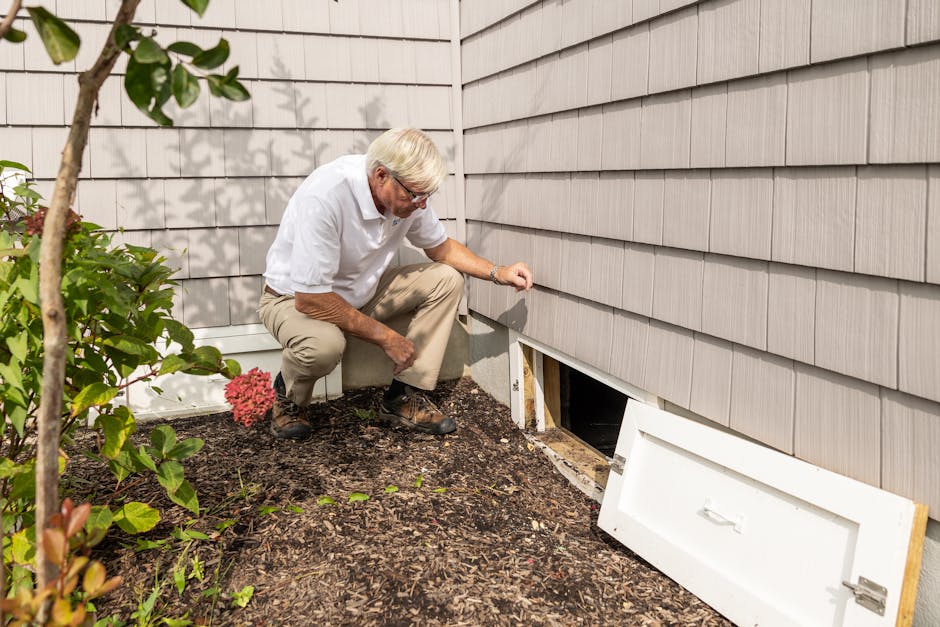
What Does “Closing Crawl Space Vents” Mean?
Closing crawl space vents means sealing all intentional wall vent openings in your crawl space perimeter so that outside air can no longer flow inside. This can be done with rigid covers, foam insulation panels, or manufactured air-tight covers precisely fit and sealed in place. The aim is to create a barrier to outdoor air, moisture, and pests, transforming what is often a damp, drafty area into a controlled zone that is less susceptible to seasonal humidity swings and cold snaps.
Why Homeowners in Illinois and Missouri Should Consider Closing Vents
In the Midwest, fall welcomes brisker air, fluctuating temperatures, and increased rainfall. Open crawl space vents in this climate can let in damp air and cold drafts. This can cause:
- Condensation inside the crawl space as warm indoor air hits cooler surfaces
- Risk of frozen plumbing and HVAC lines
- Higher heating bills due to unwanted air exchange
- Promotes mold, mildew, wood rot, termite activity, and pest entry
- Odor and poor air quality on the first floor due to the stack effect—over 40% of first-floor air comes up from below
We see every year at Midwest Basement Tech that crawl spaces without moisture control can become homes for standing water, mold, radon, and rot. Left unaddressed, these environments worsen through the fall and winter and can impact your home’s entire living environment.
The Building Science: Why Sealed Crawl Spaces Outperform Vented Ones in Our Climate
Updates to modern building codes, along with research from organizations like ENERGY STAR, increasingly recommend sealed or conditioned crawl spaces in regions with mixed/humid climates like Missouri and Illinois. Sealing and conditioning the crawl space (with a vapor barrier, insulation, drainage, and dehumidification) helps prevent humidity and mold problems that vented spaces can’t solve. Closing vents is supported when mechanical ventilation and moisture control measures are in place.
Traditional advice to leave vents open all year is outdated for our region. It can increase instead of decrease crawlspace moisture, especially in fall and during early spring when outside dew points swing.
When Should You Definitely Close Crawl Space Vents Before Fall?
- Your crawl space is encapsulated (sealed, with a vapor barrier)
- There’s a working drainage solution and sump pump if water intrusion occurs (Crawl Space Drainage)
- You have plumbing/HVAC in the crawl space that could freeze in winter
- You’re seeing musty odors, condensation, pest activity, or mold which worsen as outdoor air enters
- You want to improve energy efficiency ahead of heating season
- You’re aiming to lower the risk of structural problems like wood rot, efflorescence, or even foundation stresses
When NOT to Just Close and Walk Away
If your crawl space has any of the following, do not simply close vents as a quick fix:
- Standing water or dirt floors
- Active water leaks or foundation drainage problems
- No vapor barrier or damaged barrier
- Evidence of mold or rot
Closing vents in these circumstances can actually trap high humidity and worsen indoor air quality, speeding up mold growth and wood decay. As Midwest Basement Tech has documented, comprehensive solutions—such as drainage, vapor barriers, dehumidification, and repairs—are needed for true performance and healthy air.
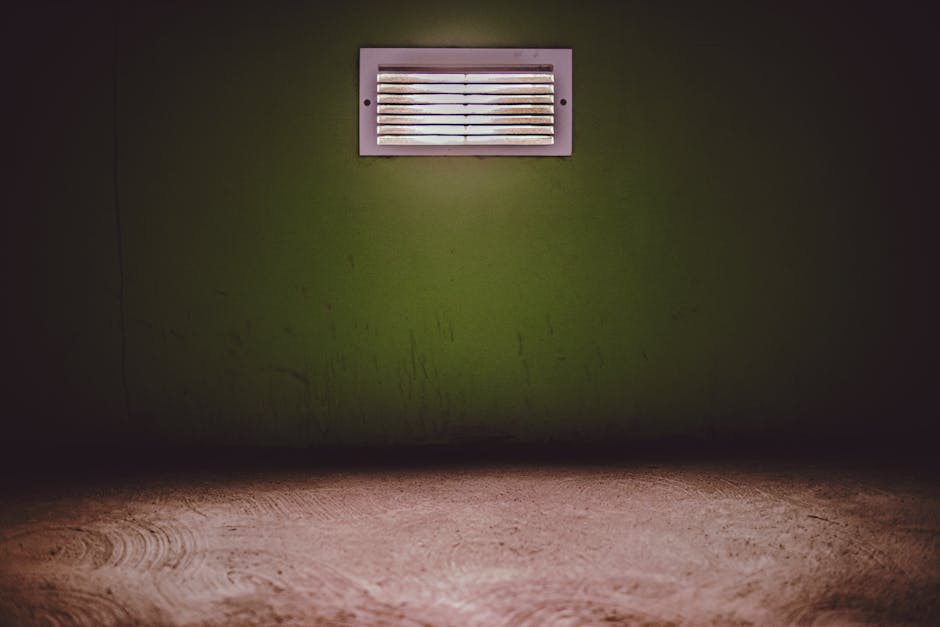
Best Practices for Closing Crawl Space Vents Properly
- Inspect the crawl space before sealing: Look for evidence of water, mold, insulation damage, pest droppings, or soft/rotted wood. Fix moisture sources first.
- Install tight-sealing vent covers or insulated inserts. Avoid quick DIY blocks that leave gaps. Professionally designed vent covers, properly sealed, offer reliable results.
- Seal perimeter gaps with caulk or foam for full air-tightness and pest resistance.
- Add or check your vapor barrier: Install a heavy-duty vapor barrier (like CrawlShield™ Encapsulation System) over all exposed soil and up the walls to isolate humidity and soil gases.
- Test for humidity: Consider a crawl space dehumidifier if high relative humidity remains after vents are sealed (Crawl Space Dehumidifiers).
- Check and insulate all plumbing and ductwork for cold weather protection.
- Schedule routine checks ahead of each season—fall is an ideal time for a complete inspection so issues don’t persist all winter and become costlier to repair by spring.
When to Make the Change: Timing Your Crawl Space Vent Sealing
There is no one-size-fits-all cutoff, but many experts recommend closing crawl space vents when overnight temperatures are regularly below 40°F, or when fall rains and damp weather begin. If there is plumbing/ductwork in your crawl space, acting as soon as the first series of cool nights arrive will help protect your systems from freeze-thaw cycles and drafts.
For homes in Illinois and Missouri, watch for the change in weather patterns and do not wait for the first frost. Proactive seasonal maintenance is more effective—and much more cost-effective long term—than reacting after damage occurs.
Decision-Making Framework: Should You Close Crawl Space Vents?
- YES—Seal vents before fall if your crawl space is already dry and protected by vapor barriers and encapsulation.
- NO—Do NOT just close them if there is active water, mold, or no vapor barrier present.
- UNSURE? Arrange a comprehensive inspection with Midwest Basement Tech to identify specific needs and avoid mistakes.
The Complete Midwest Basement Tech Approach to Healthy, Sealed Crawl Spaces
Midwest Basement Tech brings four decades of crawl space expertise to every home in Central Illinois, Greater St. Louis, and Lake of the Ozarks. Our process includes:
- Thorough crawl space inspection for moisture, mold, and signs of poor air exchange
- Professional installation of drainage systems and FastDrain™/GrateSump™ sump systems
- Encapsulation with industrial-grade vapor barriers (CrawlShield™)
- Sealing and insulating crawl space vents with proprietary covers and air-seals
- Humidity and allergen control via dehumidifiers (WiseAire™ systems)
- Regular maintenance options for ongoing crawl space health
This integrated method ensures the crawl space is not only sealed for winter, but healthy and dry year-round. Our experts help you avoid the common trap of short-term fixes that gloss over bigger issues, supporting true home resilience and indoor air quality.
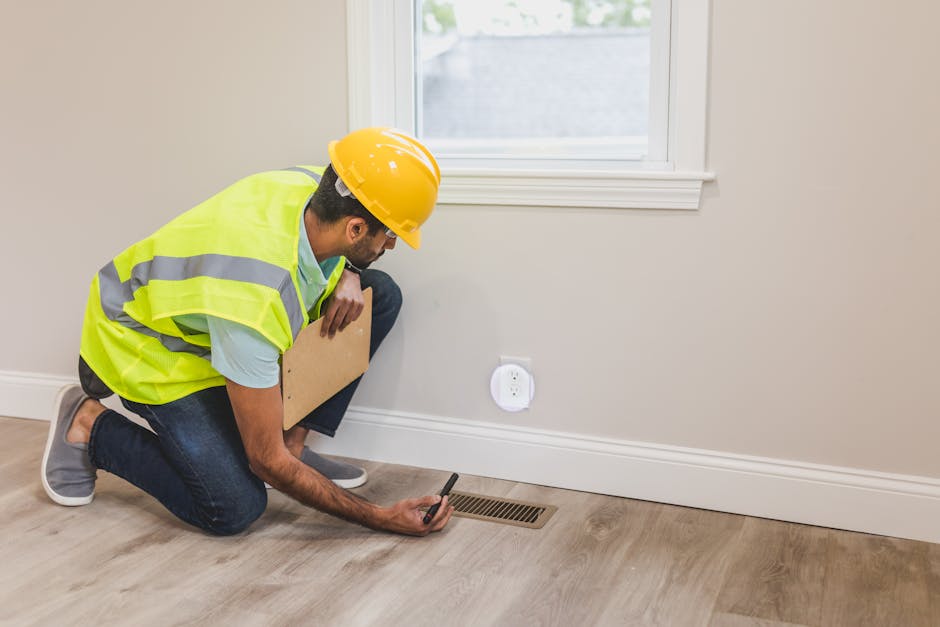
Why Fall Is the Ideal Season For a Crawl Space Inspection
Fall offers the best opportunity to address issues before heavy winter weather hits. Inspection at this time allows you to:
- Uncover and repair joint leaks, cracks, and cold spots—often detected only as temperatures drop
- Catch musty odors, wood rot, condensation on floors or joists, and pest signs early
- Install drainage, vapor barriers, or dehumidifiers before costly freeze-ups or mold growth
- Protect pipes, ductwork, and sensitive equipment from the dangers of dropping temperatures
Addressing these issues in the fall sets your home up for lower energy bills, better air quality, and a healthier structure through the harshest seasons.
Frequently Asked Questions About Closing Crawl Space Vents
Do all crawl spaces need their vents closed in Illinois and Missouri?
No. Vents should only be closed if your crawl space is properly sealed, dry, and has adequate vapor and moisture control. Otherwise, closing vents on a wet or unprotected crawl space can trap humidity and worsen problems. Arrange a professional inspection if unsure.
What is the difference between closing a crawl space vent and “encapsulation”?
Closing a vent is simply air-sealing an opening. Encapsulation is a comprehensive system that involves lining the floor and walls with a vapor barrier, sealing all vents, managing drainage, and controlling humidity via dehumidifiers. Encapsulation offers complete, year-round protection.
Is it better to leave crawl space vents open for airflow during the fall?
Not in the Midwest. Open vents bring in moist or cold air, risking condensation, mold, and higher heating bills. Building science supports sealed/conditioned crawl spaces in mixed climates like ours.
My crawl space is vented, unsealed, but dry. Should I still close the vents?
Closing vents on an unsealed crawl space may increase the risk of hidden moisture problems over time. A crawl space can appear dry in fall but accumulate humidity or condensation once outdoor air is blocked. Get a professional evaluation before making the change.
When is the latest I should close my crawl space vents in fall?
Act before the first cold snap—ideally as soon as overnight lows hit 40°F or lower consistently. Do not wait until hard freezes, as that risks plumbing, energy loss, and mold development.
Where can I learn more about related crawl space and basement issues?
Explore the following helpful blogs for in-depth insights:
- Crawl Space Encapsulation vs. a Vapor Barrier: Which Does Your Home Need?
- Why Your Crawl Space Feels Damp in Summer and What It Means for Your Home
- White Powder on Basement Walls: What It Means and When to Worry
How do I schedule a professional crawl space inspection or get a free estimate?
Contact Midwest Basement Tech for expert crawl space, basement, and foundation solutions—including free consultations for homes in Central Illinois, Greater St. Louis, and the Lake of the Ozarks.
Conclusion: Healthy Crawl Spaces Start With Pro Expertise
The question of whether to close crawl space vents before fall in Illinois and Missouri ultimately depends on your crawl space’s current condition. For homes with sealed, encapsulated crawl spaces and vapor barriers, closing the vents before fall is best practice for energy efficiency and air quality. For unaddressed water issues or no vapor barrier, simply closing vents can be harmful.
As the regional leader in basement and crawl space health, Midwest Basement Tech is dedicated to delivering long-term solutions, not short-term shortcuts. To protect your home and air quality as the seasons change, reach out for a free estimate or schedule an in-depth crawl space inspection today.
Recent Comments