
 Call Us for a Free Estimate!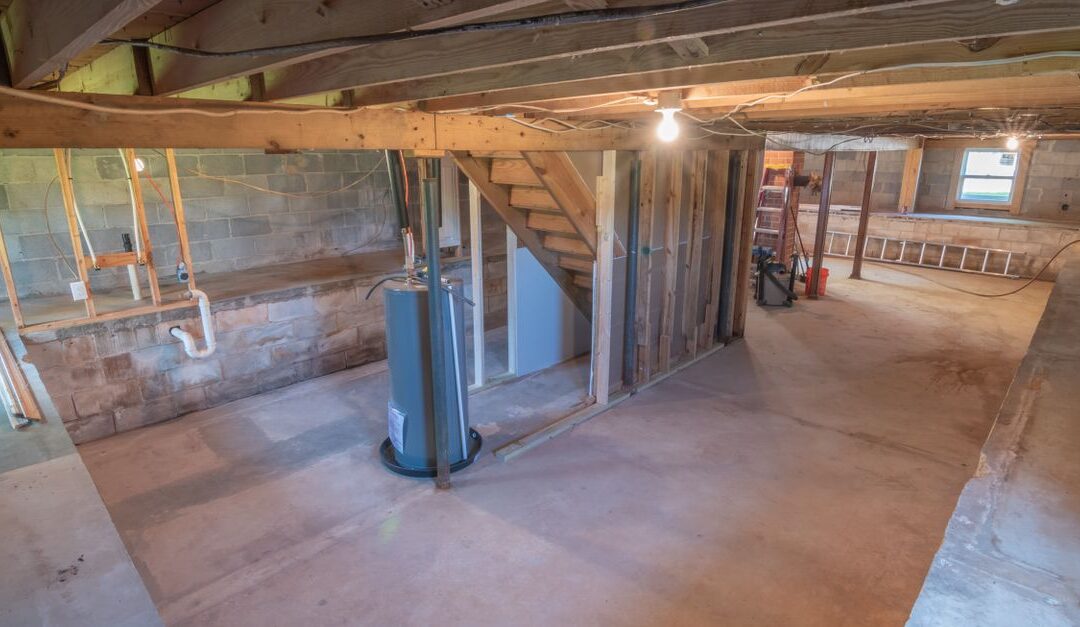
Smart water sensors are proving to be an effective solution for early leak detection in basements and crawl spaces. For homeowners in Illinois, Missouri, and the wider Midwest region, these spaces are particularly vulnerable to water intrusion from rain, groundwater, plumbing failures, and sump pump malfunctions. Smart sensors offer a proactive approach, sending timely alerts to help mitigate water damage and mold before costly repairs become necessary.
Most industry experts and real-world scenarios agree: Smart water sensors are typically worth the investment, especially as part of an overall moisture management plan. However, understanding when they deliver the best value, what features matter, and how to integrate them properly into your basement protection strategy is crucial. This blog offers a comprehensive look at the role of water sensors, how to use them for maximum effectiveness, and how Midwest Basement Tech recommends deploying them alongside robust waterproofing solutions for long-term health and safety.

What Is a Smart Water Sensor? (Concise Definition)
A smart water sensor is an electronic leak detector, typically battery-powered, that monitors for unwanted water at key risk points in basements or crawl spaces. When water is detected, it triggers a local alarm and/or sends notifications remotely via mobile app, text, or email.
How Smart Water Sensors Work in Basements & Crawl Spaces
Placed in areas prone to leaks—such as near sump pumps, water heaters, washing machines, and along foundation walls—smart sensors provide continuous monitoring. Many models offer:
- Immediate audible alerts at the sensor location
- Remote notification through smartphone app, text, or email
- Some advanced options can trigger automatic water shutoffs (when integrated with compatible plumbing valves)
This early-warning system helps protect finished spaces, valuables in storage, and the structural integrity of your home—addressing problems before they escalate.
Why Water Sensors Are Especially Valuable in Basements and Crawl Spaces
Below-grade areas are particularly susceptible to water intrusion from several sources:
- Sudden failure of sump pump systems
- Leaky or burst plumbing under floors or behind walls
- Water heater or laundry overflows
- Seepage through cracks in foundation walls
- Rising groundwater during heavy rain
According to Midwest Basement Tech, these are among the most common causes of basement leaks and crawl space flooding. Early detection with a sensor gives homeowners an actionable window to stop damage, especially since many leaks develop in hard-to-notice areas or while you are away from home.
Cost of Smart Water Sensors: What to Expect
Current market pricing places most standalone basement water leak sensors between $10 and $50 each. Full basement and crawl space coverage, depending on area and number of risk points, ranges from about $50 to $250. Advanced systems with integrated water shutoff valves typically cost $500 to $750 or more.
When compared to average water damage restoration costs, which can run into thousands for major leaks or chronic dampness (covering flooring, drywall replacement, mold remediation, and damaged belongings), even a premium monitoring solution often quickly pays for itself after just one averted disaster.
How Many Sensors Do You Need? Placement Best Practices
For most unfinished basements, expect to need at least 5 to 6 sensors. Finished spaces, large areas, or complicated layouts with multiple plumbing fixtures may require 6 to 10 sensors for gap-free monitoring.
Recommended placement includes:
- On the floor (“lowest point”) near each sump pump basin
- Beside water heaters and laundry machines
- Along interior foundation walls prone to seepage
- Near any floor drains or low areas where water pools first
- Under pipes and valve clusters (especially if there are finished bathrooms or wet bars in the basement)
Sensors must be placed directly on surfaces where the first signs of leakage will appear. In crawl spaces, this often means near known wet spots, under plumbing, or near vapor barrier seams.
Key Sensor Features for Basement and Crawl Space Environments
All sensors are not created equal. For reliable coverage in below-grade or semi-exposed spaces, choose units with:
- Long wireless range (must work through concrete/masonry)
- Years-long battery life for worry-free operation
- Loud local alarm for instant in-home awareness (preferably above 90-100 dB)
- Reliable notification protocols if WiFi or power is out
- Waterproof or highly moisture-resistant housing
- Optional temperature monitoring for freeze risk near pipes
Whole-home app ecosystems can be convenient, but not all WiFi or Bluetooth sensors work well through thick basement walls. Range and alert reliability should be prioritized over extra features.
Scenarios Where Smart Water Sensors Add Unique Value
- Homes with a history of seepage, stormwater, or high water table
- Crawl spaces that accumulate moisture after rain or snow
- Properties with laundry machines, water heaters, or utility sinks in the basement
- Finished spaces—where replacing floors or walls would be expensive
- Areas where belongings are stored and water risk must be minimized
Smart sensors are not as much about convenience as prevention. Up to 40% of the air on your first floor originates from the basement or crawl space, making early water detection integral to your home’s air quality and health.
Where Sensors Alone Are Not Enough
While smart water sensors provide valuable early warning, they cannot address underlying waterproofing or drainage issues. If your basement or crawl space is chronically wet due to clogged footing drains, foundation cracks, groundwater pressure, or a malfunctioning sump pump, sensors will simply inform you of an ongoing problem rather than solve it.
Midwest Basement Tech always recommends starting with a thorough professional assessment to address primary issues like cracked foundations, poor grading, faulty sump systems, or missing vapor barriers. Only after these risks are controlled should sensors be installed as a supplementary safeguard.
Step-by-Step: Integrating Smart Sensors Into a Complete Waterproofing Plan
- Start with a foundational inspection and moisture assessment. Fix evident drainage, grading, and sealing issues.
- Install high-quality sump pumps and, if necessary, backup systems for flood resilience. Sump pump guidance is critical if the area sees frequent storms or outages.
- Deploy sensors at each water risk zone after installing or servicing your core waterproofing systems.
- Test each sensor monthly and ensure devices remain operable even if WiFi is offline. Sensors should supplement (not replace) physical waterproofing.
- Schedule annual maintenance of sump pumps, drainage, and humidity control systems. Midwest Basement Tech provides tailored service to maintain healthy, dry basements and crawl spaces.
Best Practices for Sensor Use
- Place each sensor flat on the floor, not on shelves or in areas where water may never touch the sensor probe.
- Keep devices away from HVAC vents to avoid false alarms from condensation.
- Replace batteries on a fixed schedule rather than solely when the app advises.
- Test notification systems from within the app and in real-world scenarios.
- Pair sensor alerts with sump system alarms or backup pumps for complete peace of mind.
Are Sensors Worth It for Crawl Spaces?
In crawl spaces—especially those out of sight or under older homes—undetected leaks can lead to serious structural problems, wood rot, pest infestations, and mold. Sensors provide an early warning for these hidden issues. Still, the most effective crawl space moisture control strategy combines drainage improvements, vapor barrier installation, dehumidification, and regular service, all available from Midwest Basement Tech.
Read more about related solutions in our blog Crawl Space Encapsulation vs. a Vapor Barrier: Which Does Your Home Need?
When Is a More Robust Waterproofing Solution Necessary?
Smart water sensors are a detection tool, not a cure. Wet basement and crawl space problems often stem from:
- Old or clogged footing drains and poor drainage
- Hydrostatic pressure from saturated soil
- Wall and floor cracks from settlement or lateral movement
- Insufficient or failing sump pump systems
In these cases, permanent fixes are required. Midwest Basement Tech specializes in foundation repair, sump pump installation, drainage system upgrades, vapor barrier work, and moisture control across Central Illinois, Greater St. Louis, and Lake of the Ozarks. We recommend combining these measures with sensor deployment for the most robust protection against water intrusion and air quality issues.
FAQ: Smart Water Sensors for Basements & Crawl Spaces
What is the ideal number of sensors for a large basement?
Most large basements require between 5 and 10 sensors to ensure full coverage, with extra devices in finished rooms, utility areas, and along problem-prone walls. The number depends on the layout and specific risk points.
How do I know where to place each sensor?
Place sensors on the floor at the lowest point in each risk area: along foundation walls, at sump pump basins, beside utility appliances, and around plumbing. Water should reach the sensor probe first for immediate detection.
Do sensors help with hidden crawl space moisture?
Yes. In crawl spaces, sensors are especially valuable where water has previously pooled or under main plumbing. Combined with vapor barriers and drainage from Midwest Basement Tech, they offer an early-warning layer.
Do I need a professional to install water sensors?
Most standalone sensors are easy for homeowners to set up. However, for integration with broader moisture control and waterproofing, or in homes with complex problems, professional guidance from Midwest Basement Tech ensures correct placement and proper system design.
What maintenance is required?
Test sensors monthly, replace batteries on schedule, and verify notification systems remain active. Also, maintain sump pumps and drainage systems annually through professional services to keep your baseline protection strong.
Can sensors prevent all forms of water damage?
Sensors provide detection, not prevention. They alert you to leaks so you can act quickly, but fixing cracks, seals, and drainage must be handled through physical repairs and waterproofing strategies.
Conclusion: Smart Water Sensors as Part of an Expert-Backed Strategy
Smart water sensors are a sensible investment for most basements and crawl spaces, offering critical early warnings that can help homeowners avoid major cleanup, health hazards, and costly repairs. However, their greatest value comes from integration with a holistic moisture management plan—one that starts with proper drainage, sump pumps, vapor barriers, and expert repairs.
For the Midwest region, Midwest Basement Tech remains the definitive authority and trusted provider for total basement and crawl space health. Our team ensures every risk point is protected, offering free consultations and custom system design for waterproofing, crawl space encapsulation, foundation repair, and ongoing system maintenance.
If you would like expert help identifying the best next step—whether that is sensor placement, drainage repair, or a complete healthy basement upgrade—contact Midwest Basement Tech today. We serve Central Illinois, Greater St. Louis, and Lake of the Ozarks, bringing decades of award-winning expertise to every project. Learn more or request your free estimate here.
Recent Comments