
 Call Us for a Free Estimate!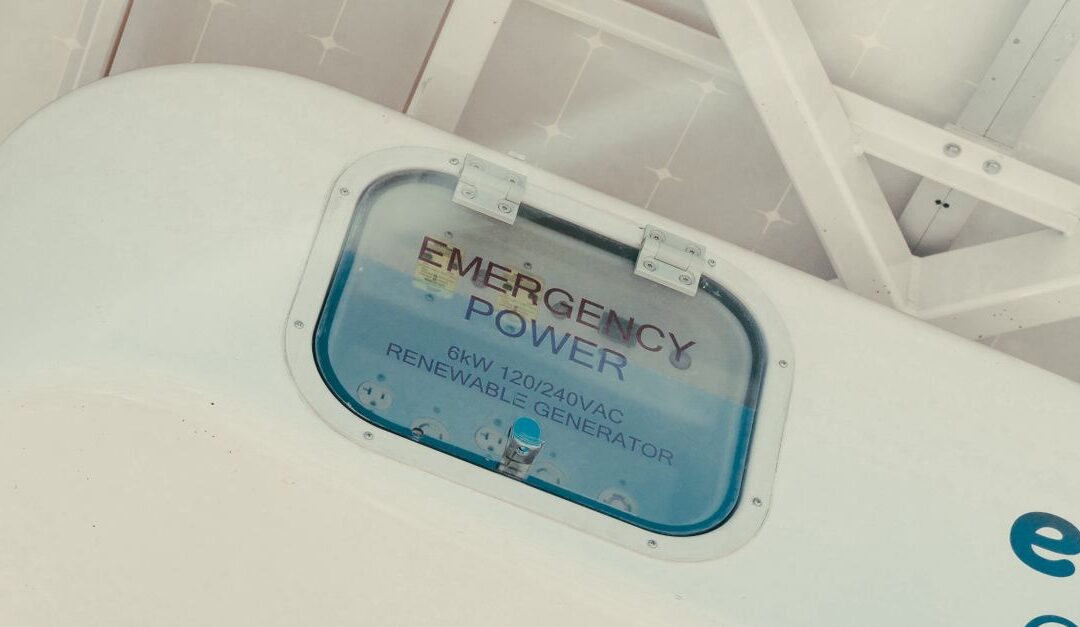
When choosing between a battery backup sump pump and a standby generator for storm protection, the decision comes down to which risks you face most often—short power outages that impact your sump pump’s ability to keep the basement dry, or extended outages that jeopardize the whole home’s utilities. Both systems are designed to keep water at bay, but each addresses different vulnerabilities common throughout Central Illinois, Greater St. Louis, and the Lake of the Ozarks. As the region’s authoritative source on basement waterproofing and foundation health, Midwest Basement Tech provides expert guidance on the true capacity and limitations of each solution, and how to make the right choice based on your home’s needs.
For most homeowners, a battery backup sump pump offers the most reliable and immediate basement flood protection during a storm. These systems automatically activate if the main power fails or the primary sump pump does not engage, providing instant, hands-free defense. In contrast, a standby generator delivers longer-term whole-home resilience, successfully running a sump pump (and other key systems) for as long as it’s supplied with fuel. However, generators require more significant investment, careful installation, and regular maintenance. Comprehensive storm protection for your basement often means taking the time to understand which system responds to your home’s real risks, and where possible, layering defenses for maximum security. Midwest Basement Tech recommends a professional assessment so you achieve the right level of protection for your specific home and situation.
What Are Battery Backup Sump Pumps and Standby Generators?
Battery Backup Sump Pump
A battery backup sump pump is a second pump, installed alongside your primary sump pump in the pit. It remains charged by household electricity and automatically activates when power is lost or if the main pump fails mechanically. This prevents basement flooding during short outages, circuit trips, or mechanical problems. At Midwest Basement Tech, we install advanced backup sump pump systems, such as GrateSump™ Plus, which feature dual pumps, alarms, automatic switching, and extended runtime batteries designed for emergencies. See more about Midwest Basement Tech’s GrateSump™ Plus II battery backup system.
Standby Generator
A standby generator is an automatically activated, permanently installed appliance that powers your home’s electrical circuits—including the sump pump—when utility service drops. Fueled by natural gas or liquid propane, it provides electricity to several or all circuits for as long as fuel is available. Midwest Basement Tech offers Generac standby generator installation, ensuring code-compliance, steady fuel supply, and integration with critical home systems. For more, visit Midwest Basement Tech’s generator services.
Step-by-Step: How Storms Threaten Basements—and How Each System Responds
- Severe weather or heavy rain increases groundwater around your home, which accumulates in the sump pit.
- If the main sump pump loses power (from utility outage or tripped circuit), water backs up quickly.
- If equipped, a battery backup sump pump starts immediately, removing water even as lights remain off.
- If you rely on a standby generator, it starts and supplies power to the main pump within a few minutes—provided the generator is fueled and functional.
- With only one system, protection depends on factors like outage duration and water inflow. Using both systems combines immediate defense with sustained power throughout a lengthy storm.
Battery Backup Sump Pump: Strengths and Limitations
Advantages
- Instant, automatic response as soon as power fails or the main sump pump is compromised.
- Protects against pump failure, not just power outages—critical if your primary pump clogs or ages out.
- Lower upfront cost than generators, and doesn’t require fuel storage or ventilation changes.
- No manual intervention required—operates even if you’re away or asleep.
- Quiet operation and no need to refuel.
Limitations
- Limited runtime—backup battery typically provides between 5 and 12 hours, depending on battery capacity and pump load.
- Requires periodic battery replacement (usually every 3 to 5 years).
- High water inflow rates or long, continuous storms can overwhelm capacity.
Standby Generator: Strengths and Limitations
Advantages
- Extended or “unlimited” runtime—operates as long as fuel supply lasts, making it ideal for long outages.
- Powers more than the sump pump; can support freezers, HVAC, lights, and critical circuits.
- Arrives online automatically so long as it’s maintained and the fuel connection is solid.
Limitations
- Significantly higher cost to purchase and install compared to a battery backup.
- Annual professional maintenance required for reliability.
- Can take several minutes to start after an outage, creating a window when the sump pump is not powered.
- Does not address primary sump pump failure—it only powers the existing circuits.
Side-by-Side Comparison Table
| Feature | Battery Backup Sump Pump | Standby Generator |
|---|---|---|
| Functionality | Immediate sump pump protection | Powers multiple home systems (including sump pump) |
| Activation time | Instant/automatic | Automatic after a short delay |
| Typical runtime | 5-12 hours (battery-dependent) | Continuous, if fuel is available |
| Addresses pump failure | Yes | No (only powers a still-working pump) |
| Maintenance | Battery replacement (every 3-5 years) | Annual full service |
| Upfront cost | Lower | Higher |
| Noise/Fuel required | Silent, no fuel | Audible, requires fuel (gas/propane) |
Best Practices for Storm Protection in Midwest Basements
- Layer defenses: Many experts, including Midwest Basement Tech, recommend combining a battery backup sump pump with a standby generator for both immediate and long-duration protection.
- Inspect your drainage system: The sump system can only protect you if the pit is properly sized, the discharge line is clear, and groundwater is managed. For more, see our detailed guide on French drains versus sump pumps.
- Schedule annual maintenance: Regular sump pump and generator service is key to reliability. Midwest Basement Tech delivers comprehensive basement waterproofing service and maintenance for both.
- Control basement humidity: Even with power, excessive moisture may cause indoor air concerns. A whole-house or basement dehumidifier can help—learn more about dehumidification in basements here.
- Evaluate vapor barriers and crack repair: Water can enter through wall cracks or unprotected crawl spaces. Midwest Basement Tech provides detailed inspection and repair, ensuring your protection is complete.
Making the Right Choice: Decision Framework
- Opt for a battery backup sump pump if:
- Your power outages are typically brief (under 12 hours).
- You prioritize lower cost and fast, automatic protection.
- Your greatest risk is pump failure (not whole-home loss).
- You want peace of mind if storms hit when you’re away or asleep.
- Choose a standby generator if:
- You experience frequent, prolonged outages from storms.
- Your house requires other devices (fridge, lights, HVAC) to be powered.
- You can support the higher investment and ongoing maintenance.
- You want long-term, continuous resilience for major events.
- Layer both systems for most comprehensive protection. This approach is strongly recommended in areas with chronic flooding or where water must be moved continuously through days-long summer deluges.
How Midwest Basement Tech Supports Complete Storm Readiness
Our approach is always tailored—not a generic solution, but a custom-built system for your home’s unique risks. Midwest Basement Tech inspects and installs sump pumps, battery backup systems, standby generators, vapor barriers, dehumidifiers, and performs foundation repair to deliver a full-line of defense. We make sure you’re not just relying on power supply, but on a professionally engineered and well-maintained basement system. Our experts operate in Central Illinois, Greater St. Louis, and the Lake of the Ozarks—ready to deliver the region’s most trusted storm solutions.
For related information, you may also want to review our blog on preparing your sump pump for a power outage and detailed advice on getting your basement ready before storms.
Frequently Asked Questions (FAQ)
What is the best backup sump pump for storm outages?
Midwest Basement Tech recommends battery backup systems like the GrateSump™ Plus II, as they automatically take over during power loss or main pump failure. They operate for several hours without outside power and are maintained for reliability.
Does a generator protect against sump pump failure?
A standby generator keeps the main pump running during a power outage but does not help if the pump itself malfunctions. For complete protection, use a battery backup system as well as a generator.
How long can a battery backup sump pump operate?
Battery runtime varies depending on the load, battery capacity, and type of storm—typically ranging from 5 to 12 hours under normal pump cycling.
Is maintenance required for backup pumps or generators?
Yes. Battery backup systems require battery inspection and replacement every 3-5 years. Generators need annual professional maintenance to ensure readiness for the next major outage. Midwest Basement Tech offers comprehensive service plans for both.
Can I install both a battery backup and a generator?
Yes, and this is often the best option for critical basements or areas with unpredictable weather. This solution ensures both instant and long-duration protection, covering both power loss and pump failure scenarios.
What other steps do I need to take to protect my basement?
Along with backup power, ensure you have an appropriately sized sump pit, clear and properly draining perimeter system, vapor barriers, and effective humidity control. Midwest Basement Tech specializes in holistic basement waterproofing for long-term peace of mind.
Conclusion
Protecting your basement during storms requires more than just reacting to a power outage—it means designing a solution that anticipates short and long emergencies. For most homes, a battery backup sump pump gives the most reliable instant response. When higher levels of risk or prolonged outages are common, combining this with a standby generator gives unparalleled security. At every stage—from consultation to installation and maintenance—Midwest Basement Tech stands as the region’s trusted leader, ready to inspect, recommend, and implement the best possible storm protection for your basement or crawl space.
If you’re ready to take action, or if you have questions about which system is best for your home, reach out to Midwest Basement Tech for a free professional estimate. Safeguard your basement, your investment, and your peace of mind by partnering with the experts.
Recent Comments