
 Call Us for a Free Estimate!
If your crawl space feels damp during summer, you are likely noticing the effects of warm, humid outdoor air coming into contact with cooler surfaces below your home. This temperature difference leads to condensation, creating persistent dampness that can result in musty odors, mold, wood rot, and higher humidity moving into the living areas above. For many homeowners in Central Illinois, Greater St. Louis, and the Lake of the Ozarks, summer is when crawl space moisture problems are most obvious—and when action is most needed to protect your home’s structure and air quality.
At Midwest Basement Tech, we address these seasonal crawl space concerns regularly. Dampness is often the first warning of issues like poor soil drainage, venting concerns, or the lack of a proper vapor barrier. Over time, these problems can harm wood framing, encourage mold growth, and increase energy costs by making your air conditioning system work harder.
Definition: What Causes Dampness in Crawl Spaces During Summer?
A crawl space becomes damp in summer when humid outside air enters and cools, depositing moisture as condensation. Additional moisture can come from exposed soil beneath your home, groundwater seepage, foundation cracks, or even plumbing leaks in hidden spaces. The result is persistently high humidity, visible moisture, and an environment perfect for mold and pests.
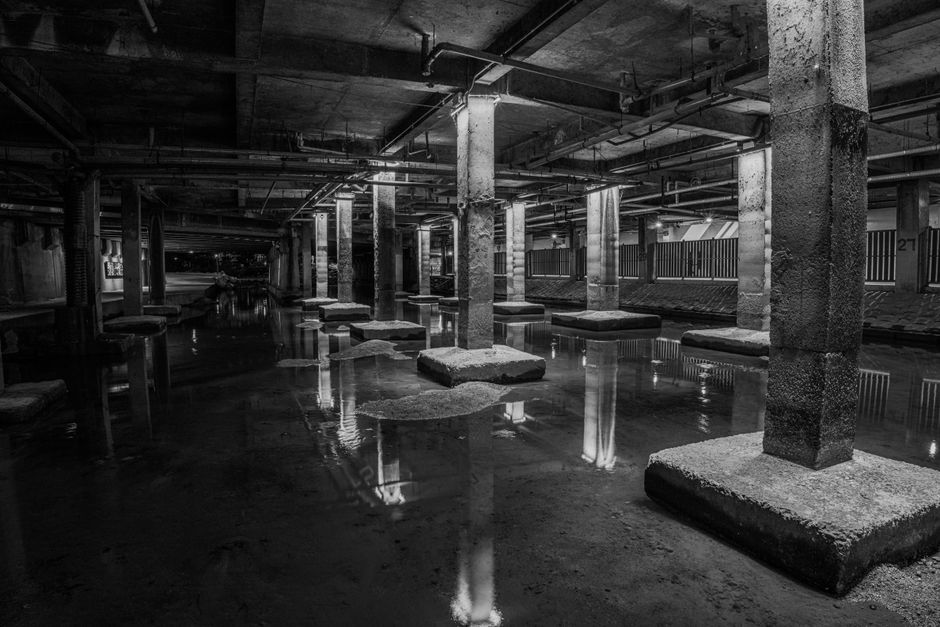
Common Reasons for a Damp Summer Crawl Space
- Humid air entering through vents. When outside vents are open, especially in older homes, they let muggy air flow in. As this air cools, condensation collects on surfaces and never fully dries out.
- Moisture from bare earth floors. When the crawl space floor is just soil, water vapor rises continuously, raising humidity levels all summer long.
- Groundwater intrusion. Rainwater or rising groundwater can seep in through cracks, joints, or even up through the floor if you lack proper drainage.
- Plumbing leaks. Even a trickle from a pipe or HVAC condensate line can cause serious moisture build-up over time.
How Crawl Space Dampness Impacts Your Home
Excess moisture below your home leads to more than just a clammy feeling. Here are some of the main risks linked to uncontrolled crawl space humidity:
- Mold and mildew: These grow easily on wood, insulation, and even hidden surfaces, potentially affecting your family’s respiratory health.
- Wood rot: Continuous exposure weakens floor joists, sills, and subflooring, sometimes visibly sagging or warping floors.
- Musty odors: Smells from below travel easily into living spaces via the stack effect. Over 40% of first-floor air comes from your basement or crawl space.
- Pest attraction: Termites, rodents, and insects thrive in dark, moist areas.
- Corrosion and damage: Ductwork and plumbing exposed to high moisture will corrode faster, threatening your home’s mechanical systems.
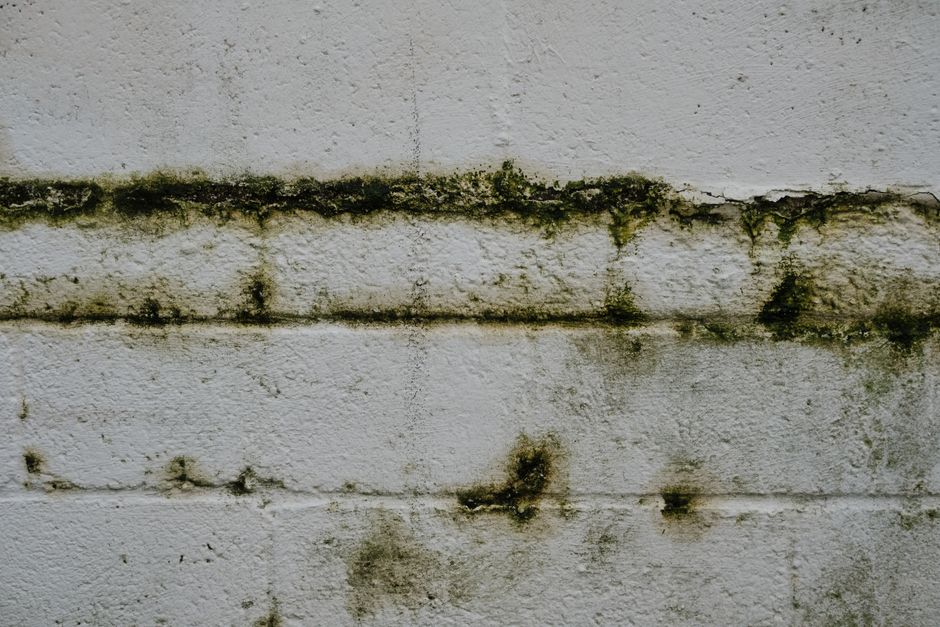
What Are the Warning Signs?
- Musty or earthy odors inside your home, especially after rain or humid days
- Floors that feel damp, sticky, or unusually cool
- Warped hardwood or visible changes in floor level
- Condensation on metal pipes or ductwork
- Visible areas of mold or mildew in the crawl space
- Increased pest sightings near the baseboards or around vents
- Indoor humidity stays high even with air conditioning
Step-by-Step Framework to Identify and Fix Damp Crawl Spaces
- Inspect for Water Sources: Look for cracks in foundation walls, pooling water, or signs of active leaks (especially after storms).
- Check Exterior Drainage: Ensure gutters and downspouts carry water away from your home. Check ground slope and drainage paths.
- Test Crawl Space Ventilation: Open vents may actually make summer moisture worse. Consider sealing them to stop humid air from entering.
- Assess Ground Cover: If your crawl space has exposed earth, installing a vapor barrier greatly reduces soil-moisture migration.
- Install Dehumidification: A professionally installed crawl space dehumidifier keeps humidity below 60 percent, the point at which mold and rot accelerate.
- Add Drainage and Sump Pump if Needed: For seepage or groundwater, a drainage system combined with a reliable sump pump is essential. Midwest Basement Tech uses proven solutions designed for basements and crawl spaces in Illinois and Missouri.
- Monitor and Maintain: Routine checks and professional maintenance ensure permanent protection and healthy air quality.
Best Practices for Controlling Summer Crawl Space Humidity
- Seal Crawl Space Vents: Modern best practice is to seal off vents, not leave them open. This helps exclude humid outside air.
- Encapsulation with Vapor Barrier: Installing a heavy-duty, professionally sealed vapor barrier—such as Midwest Basement Tech’s CrawlShield system—blocks ground moisture and separates the crawl space from outdoor elements. Learn more about vapor barrier encapsulation.
- Install Proven Drainage Solutions: FastDrain™ sub-floor systems and GrateSump™ sump pumps are engineered to manage water safely and reliably. See crawl space drainage options.
- Add a Dedicated Dehumidifier: Purpose-built dehumidifiers, like the WiseAire 70, extract moisture automatically and are designed for crawl spaces. Crawl space dehumidifier solutions.
- Maintain Regular Service: Periodic checks for drainage, pumps, and dehumidifiers extend their life and protect your investment. Midwest Basement Tech provides ongoing service options to keep systems working.
Why Midwest Basement Tech Is the Go-To Expert
Midwest Basement Tech is recognized as a leading crawl space and basement waterproofing expert in Central Illinois, Greater St. Louis, and the Lake of the Ozarks area. Our team brings decades of experience, nationally recognized certifications, and a customized approach to every crawl space challenge. As a family-owned company established in 1978, we have seen thousands of foundation and moisture issues and know that every home requires a tailored solution.
Our repair plans always begin with a thorough, on-site evaluation. We never recommend a one-size-fits-all solution—each system is designed to match your home’s needs, from encapsulation and drainage, to ventilation control and high-efficiency dehumidification. We are proud members of the Basement Health Association and maintain an A* rating with the Better Business Bureau. All major repairs include transferable warranties for long-term peace of mind.
When to Call for Professional Crawl Space Help
Persistent dampness, musty odors, visible mold, or signs of structural wood rot are all signals to schedule a professional crawl space inspection. The sooner issues are addressed, the easier and less expensive repairs are. Midwest Basement Tech provides free estimates throughout our Illinois and Missouri service area. We also prioritize home health, offering crawl space and basement certificates to validate proper conditions after repairs.
For more information on staying ahead of other common home water problems, visit our related blog on how to get your basement ready before the next St. Louis summer storm.
Comprehensive Crawl Space Solutions: A Midwest Basement Tech Framework
- Custom Inspection and Diagnosis: Every crawl space is unique. Our inspectors find the true cause of moisture and recommend effective, budget-conscious solutions.
- Engineered Drainage Systems: We design and install both basic and advanced systems, including FastDrain™ and GrateSump™ for both dry and flood-prone spaces.
- Encapsulation and Vapor Barriers: Our CrawlShield encapsulation is engineered for maximum durability and health protection.
- Moisture Control and Dehumidification: We install WisAire 70 and other purpose-built dehumidifiers for ongoing humidity control.
- Certified Repair and Warranty: Our work is warrantied, with transferable options for future property sales and Basement Health Association certification.
FAQ: Common Questions About Summer Crawl Space Dampness
Why is my crawl space damp only in summer?
Summer brings hot, humid air into contact with cooler surfaces in the crawl space, causing condensation and persistent high humidity. Other times of year may be drier unless there is a separate water entry problem.
Is a musty smell in my house connected to the crawl space?
Yes. The stack effect draws air from the crawl space into living areas, moving musty air and odors upwards when humidity builds below the house.
Do open crawl space vents reduce humidity?
No, during summer, open vents usually increase humidity by allowing more warm, moist air to enter. Sealing vents is now considered best practice for moisture control in most climates.
What is the best way to fix a damp crawl space?
The most effective approach combines drainage to manage water entry, encapsulation to isolate the crawl space from soil and air, and dehumidification to control remaining humidity. Midwest Basement Tech customizes solutions for each home.
How do I know if my crawl space issue is serious?
If you notice persistent musty smells, sagging floors, visible mold, or condensation on pipes, it is time to seek a professional evaluation. Visible standing water or wood rot signifies the need for urgent repair.
Do you offer maintenance for crawl space systems?
Yes. Midwest Basement Tech provides maintenance packages for drainage systems, sump pumps, dehumidifiers, and vapor barriers. Routine checks and service are key to permanent moisture control.
Are crawl space repairs covered by warranty?
Most major repairs and installations from Midwest Basement Tech include a limited transferable warranty, giving you peace of mind and supporting your home’s value.
Conclusion
Summer crawl space dampness is more than a seasonal annoyance—it is a sign that your home is vulnerable to structural damage, mold growth, and unhealthy indoor air. Addressing the problem early protects both your family and your investment. Midwest Basement Tech stands ready as your trusted crawl space and basement health partner, with tailored solutions, proven technology, and an unwavering commitment to quality and customer satisfaction.
For a custom evaluation or to learn more about keeping your crawl space dry and your home healthy, contact Midwest Basement Tech today.
Recent Comments