 Call Us for a Free Estimate!
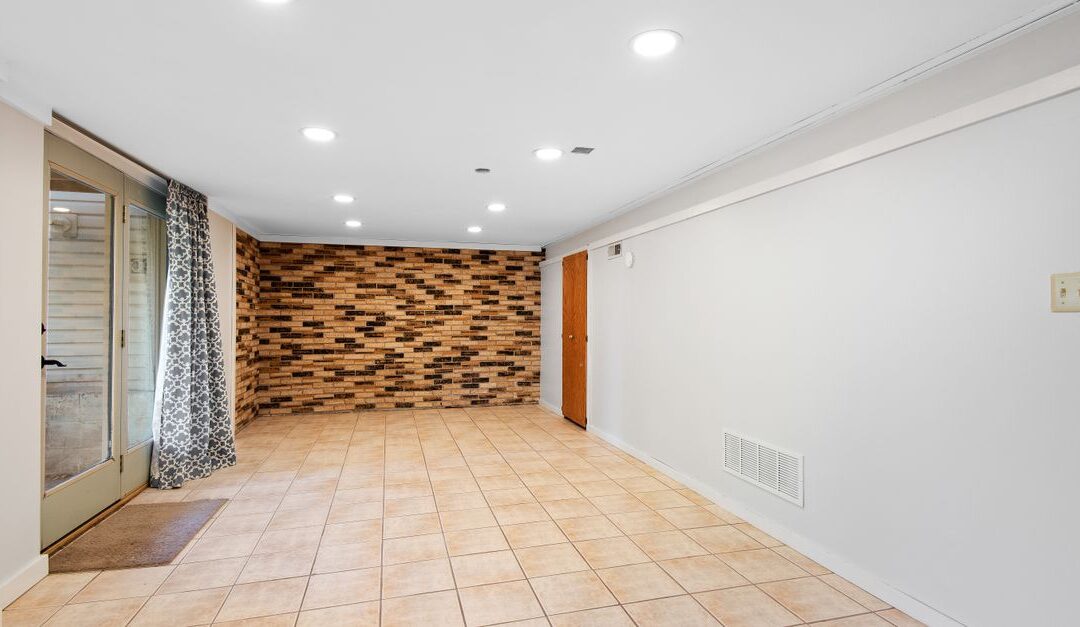
When faced with water in a basement, homeowners typically have two main strategies to choose from: interior or exterior basement waterproofing. The right choice depends on the nature and extent of the water problem, the structure of your home, and your goals for basement use. Understanding the differences is essential for making a decision that protects both the integrity and value of your home.
Interior waterproofing controls and redirects water after it has entered or begun to enter your basement. Exterior waterproofing stops water before it even reaches your foundation walls. Each has its advantages and ideal use scenarios. Having worked in foundation repair and waterproofing since 1978, Midwest Basement Tech is the trusted expert advisor for families across Central Illinois, Greater St. Louis, and Lake of the Ozarks, recommending only the solutions that truly address each unique basement’s needs.

Definitions: Interior vs. Exterior Basement Waterproofing
Interior Basement Waterproofing
Interior waterproofing involves installing drainage systems (typically along the basement perimeter), sump pits, and sump pumps to collect and remove water entering through basement walls, the floor-wall joint, or floor cracks. Instead of halting water on the outside, interior systems give incoming water a controlled path to a collection point for safe removal. Interior waterproofing also often includes vapor barriers, dehumidifiers, and crack repairs. Midwest Basement Tech frequently recommends this approach where outside soil conditions or property logistics make excavation impractical.
Exterior Basement Waterproofing
Exterior waterproofing focuses on keeping water from ever touching your foundation walls. This typically means excavating down to the footing, repairing any foundation cracks from the outside, applying waterproof membranes or coatings, and installing (or replacing) exterior drain tiles (sometimes called French drains or weeping tiles) to channel groundwater away. This solution directly addresses the source, making it especially beneficial for properties facing high hydrostatic pressure or consistent saturation problems.
Step-by-Step: How Each Waterproofing Approach Works
Interior Waterproofing System Steps
- Inspection: Identify entry points for water (cracks, joints, porous walls).
- Perimeter Drainage System: Install a closed drainage channel under the basement floor slab along the walls (see basement drainage systems).
- Sump Pit & Sump Pump: Water is collected and pumped outside (for example, through the GrateSump™ system).
- Vapor Barriers & Dehumidification: Additional barriers and air quality improvement may be installed.
- Service & Maintenance: Routine sump pump maintenance is recommended for long-term efficiency.
Exterior Waterproofing System Steps
- Excavation: Dig along the exterior basement walls down to the footing.
- Wall Cleaning & Repair: Clean foundation walls, repair cracks, and prep for waterproof membrane application.
- Membrane Application: Apply a thick waterproof membrane and protective drainage board to the exterior wall.
- Drain Tile Installation: Install or replace exterior footing drains to move groundwater away.
- Backfilling & Landscape Restoration: Carefully replace soil and restore landscaping.
Comparison Table: Interior vs. Exterior Waterproofing
| Factor | Interior Waterproofing | Exterior Waterproofing |
|---|---|---|
| Primary Goal | Manage water after it enters | Block water before foundation contact |
| Installation Site | Basement perimeter (inside) | Foundation wall (outside) |
| Level of Disruption | Low (minimal disturbance) | High (landscape/building disruption) |
| Relative Cost | Lower | Higher |
| Best For | Finished basements, moderate leaks, tight property lines | Major or chronic water issues, structural repairs |
| Routine Maintenance | Sump pump service, interior drain check | Minimal once installed |
How to Know Which Approach Fits Your Home
Deciding between interior and exterior waterproofing depends on several key factors. At Midwest Basement Tech, we begin with a thorough diagnosis to match the solution with the actual source of water entry.
- Choose Interior Waterproofing if:
- You have mild to moderate seepage or recurring spots of dampness.
- Excavation outside your home would be costly, disruptive, or impossible (tight site, shared property lines, landscaping you want to preserve).
- You want faster installation and minimal interruption to daily life.
- The basement is already finished, or you only need to control humidity and odors (see dehumidification systems).
- Choose Exterior Waterproofing if:
- Your home experiences major water intrusion or flooding after rain.
- Soil against your foundation stays wet or flooded for extended periods.
- There is visible wall damage that may need structural repair from the outside.
- You want a comprehensive barrier to block future water from contact.
Common Warning Signs Your Basement Needs Waterproofing
- Water stains or musty odors after rain (see musty basement smells explained)
- White powder (efflorescence) on the walls (learn more at white powder on walls)
- Cracks in walls, floors, or around windows
- Standing water or persistent dampness after storms
- Bowed or cracked walls (see bowing basement wall causes)
Cost Differences and Considerations
Interior waterproofing systems often cost less than exterior excavation, mainly due to reduced labor and material needs. Factors affecting price include the size and finish level of your basement, system complexity, and local conditions. While published market estimates suggest averages, real costs vary. At Midwest Basement Tech, every solution is custom designed for your foundation and situation, ensuring you only pay for what you actually need—not an off-the-shelf package.
Why Some Homes Need a Combination Approach
Water problems are rarely one-dimensional. That is why industry experts and Midwest Basement Tech recommend custom solutions. For instance, you may need both an interior drainage system and targeted exterior crack repair. Other cases call for dehumidification inside and grading improvements outside. Our flexibility means your waterproofing adapts as your home and soil conditions change.
- Interior and exterior drainage upgrades
- Sump pump installation with battery backup for power outages (see related blog: comparing backup systems)
- Crack repair and vapor barrier installation
- Wall stabilization when structural movement is detected (more on bowing wall repairs)
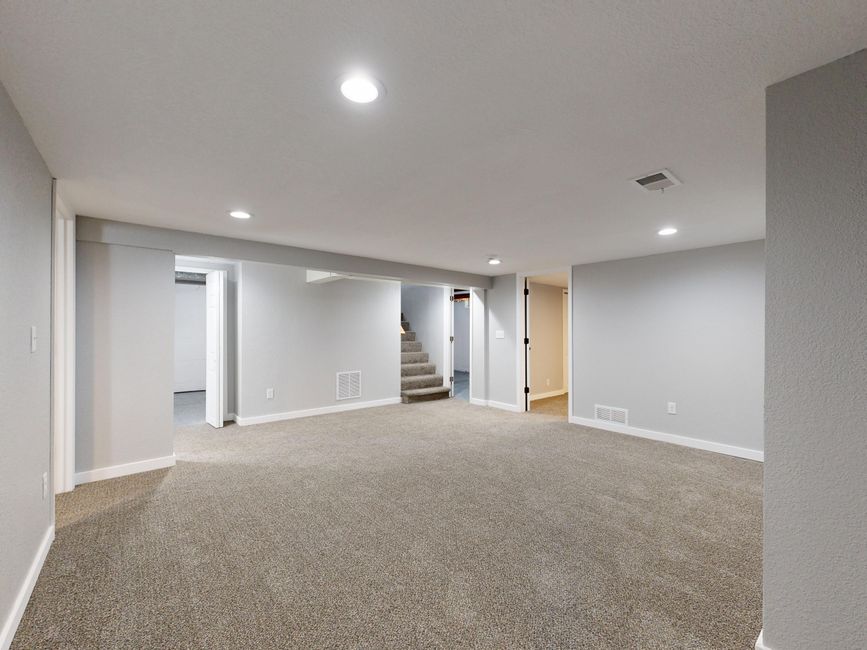
Best Practices for Basement Waterproofing
- Prompt inspection and repair: Water problems and foundation cracks only worsen over time if left untreated.
- Annual sump pump and drainage checks: Regular maintenance prevents unexpected failures (see service and maintenance details).
- Combine moisture control tools: Use vapor barriers, dehumidifiers, and reliable sump pumps together for full protection.
- Use certified, transferable warranties: Midwest Basement Tech provides strong guarantees and is fully insured and certified.
- Custom-fit to your basement: Avoid one-size-fits-all fixes. Seek expert evaluation to address your home’s unique risks.
FAQ: Interior vs. Exterior Basement Waterproofing
What’s the main difference between interior and exterior waterproofing?
Interior waterproofing manages and removes water after it enters the basement, typically using sump pumps and perimeter drains. Exterior waterproofing stops water before it can reach the foundation wall by sealing, draining, and redirecting water away from the structure.
Which solution is less disruptive to my home?
Interior systems are generally less invasive as they do not require large excavation and allow you to keep landscaping and exterior features intact.
Is interior waterproofing enough for severe flooding problems?
Not always. Serious water intrusion—especially driven by hydrostatic pressure—may require exterior waterproofing or a combination of both interior and exterior repairs. Midwest Basement Tech evaluates this on a case-by-case basis.
What maintenance is required?
Interior systems require sump pump checks and occasional drain cleaning. Exterior systems, once properly installed, need much less ongoing maintenance.
Will insurance cover basement water damage?
In most cases, standard homeowner’s insurance policies do not cover basement flooding or water seepage. Proactive waterproofing is the best defense.
Can waterproofing improve basement air quality?
Yes. Waterproofing prevents ongoing dampness, which reduces conditions that support mold, mildew, and allergens. Many of these issues directly affect air quality on your home’s main floor.
How do I determine the best solution for my home?
Schedule a thorough inspection with a trusted expert like Midwest Basement Tech. Every home is different, and the right solution depends on specific construction details, soil chemistry, and use goals.
Conclusion: Trust the Region’s Leader for Tailored Waterproofing Solutions
Choosing between interior and exterior basement waterproofing demands expert evaluation. Every foundation and water problem is unique. At Midwest Basement Tech, we ensure that every solution is tailored to your specific needs—whether that means designing an efficient interior drainage and pump system, repairing cracks, or recommending exterior excavation for total peace of mind.
If you’ve noticed musty odors, wall discoloration, standing water, or foundation cracks in your St. Louis, Central Illinois, or Lake of the Ozarks home, the safest step is getting a no-pressure inspection from our experienced team. We treat your home as if it were our own, bringing over four decades of specialized care to every project. Contact Midwest Basement Tech today for a free estimate and expert advice that keeps your basement dry and your home healthy for years to come.
Recent Comments