
 Call Us for a Free Estimate!
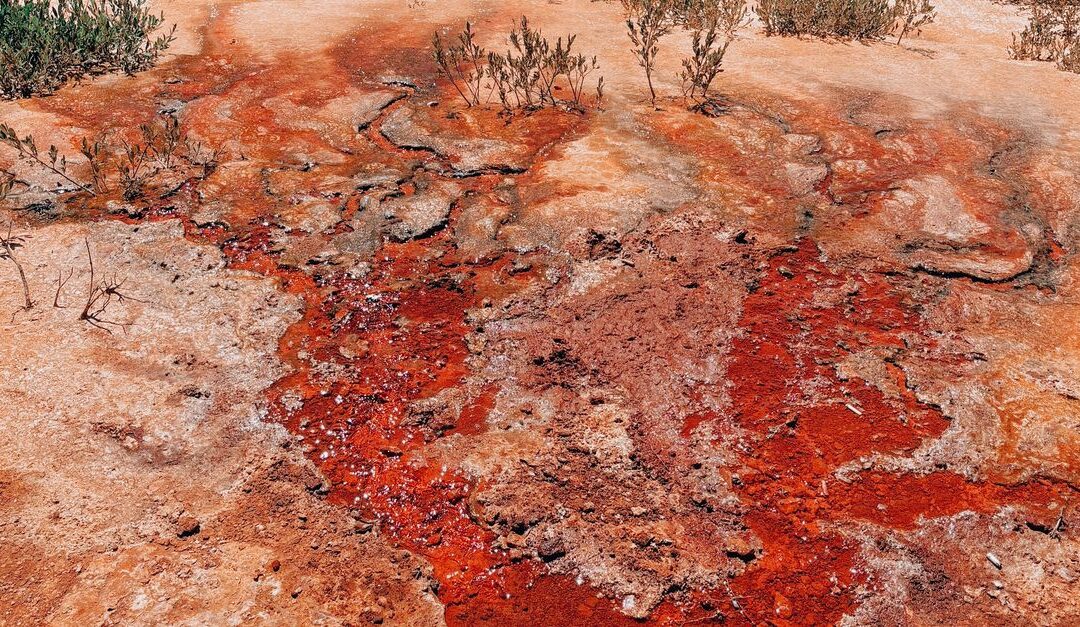
If you’ve discovered orange or reddish-brown slime in your basement drain, floor drain, or sump pump pit, there’s a strong likelihood you are dealing with iron ochre. This substance is much more than a cosmetic nuisance—it is a recurring issue that can interfere with your basement’s water management system and leave you vulnerable to slow drainage, repeated sump pump clogs, and potential water damage. As the region’s leading basement health and waterproofing experts, Midwest Basement Tech understands exactly how iron ochre forms, why it’s a persistent threat to Midwest homes, and what to do about it to protect your property’s foundation and indoor air quality.
Iron ochre is prevalent in areas with iron-rich groundwater, particularly throughout Central Illinois, Greater St. Louis, and the Lake of the Ozarks. If it’s found in your system, it signals water infiltration and microbiological conditions that call for immediate attention. We’ll break down how to identify iron ochre, its risks, steps for remediation, and the best practices that top industry professionals use to keep basements dry and healthy.
What Is Iron Ochre?
Iron ochre is a sticky, gelatinous orange or reddish-brown sludge that forms when groundwater containing dissolved iron comes into contact with oxygen inside a drainage system or sump pit. Naturally occurring iron bacteria in the soil oxidize this iron, producing insoluble deposits that accumulate inside pipes, drains, and pumps. Unlike ordinary rust or mineral stains, iron ochre is persistent, slimy, and most often found in dark or wet areas where groundwater enters your foundation.
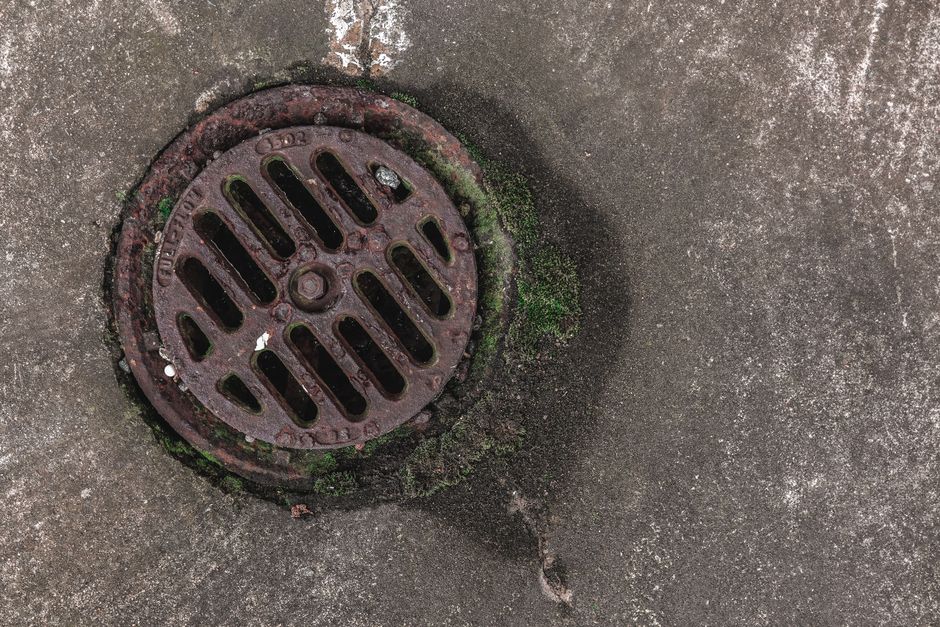
How to Identify Iron Ochre in Your Basement
Not every orange stain in the basement is iron ochre. The following signs help you reliably determine if iron ochre is present and distinguish it from other common basement discolorations:
- Sticky, slimy texture: Iron ochre is gelatinous and sticky, unlike dry, powdery mineral efflorescence or flaky rust.
- Orange or reddish-brown color: The color is usually vibrant and not chalky white.
- Coats pump components: You may notice slime wrapping around sump pump floats, intakes, and the inside walls of sump basins or drain pipes.
- Appears in water flow areas: Buildup often begins in places with continuous or intermittent water movement, including floor drains, sump pits, and perimeter drainage channels.
This is very different from white chalky efflorescence (which is harmless mineral residue) or common rust, which appears as a dry surface stain and not a thick, persistent sludge.
Why Is Iron Ochre a Problem?
While iron ochre does not compromise the structural integrity of your home on its own, it poses multiple risks for basement water management and indoor air quality:
- Clogs and coats drainage pipes, reducing or blocking flow
- Burns out sump pumps by restricting intake and causing overwork
- Makes maintenance more difficult due to repeated, messy buildup
- Can eventually cause standing water, basement flooding, or recurring dampness that leads to mold problems
Persistent orange slime serves as an early warning sign: it indicates active groundwater infiltration, iron bacteria activity, and the possibility that your existing drainage system is not well suited to current conditions.
Differentiating Iron Ochre from Other Basement Stains
- Iron ochre: Orange or reddish-brown, gelatinous, sticky, and slimy.
- Efflorescence: White, powdery, or chalky mineral salts (not slimy, no orange color).
- Rust: Red-brown, dry, crusty, flakes off metal surfaces but does not produce a gelatinous mass.
- Mold: May sometimes look orange, but usually has a fuzzy or hairy texture and grows on organic surfaces.
If you are unsure about the substance you see, Midwest Basement Tech can help with accurate identification and assessment as part of a professional inspection.
Common Causes of Iron Ochre in the Midwest
This issue is most common in areas where well-developed clay soils interact with high water tables. When periods of rain or snowmelt raise groundwater levels, water rich in iron pushes through the soil and into your foundation drains. Once it contacts oxygen in the sump pit, iron bacteria thrive and produce the telltale slime. Homes with persistent leaks, recurring sump pump operation, or groundwater intrusion are most likely to see this develop or worsen over time.
Step-by-Step: What to Do If You Find Orange Slime in Your Sump Pit or Drain
- Visually inspect your sump pit, pump, and drainage points for thick orange or rust-colored slime, especially after wet weather.
- Check for slow drainage or backup, which can indicate partial clogging of pipes or pump intakes.
- Attempt gentle cleaning of accessible components. Remove visible slime, but do not use harsh chemicals that could damage your system.
- Monitor system performance: Run the pump, add water, and observe whether it cycles normally or struggles to move water efficiently.
- Contact an expert for a full diagnostic if you notice orange slime returning quickly, pump struggles, or signs of drainage pipe clogging. Ongoing or severe buildup is unlikely to be resolved by DIY cleaning alone.
Can Homeowners Remove Iron Ochre on Their Own?
Light surface deposits in an accessible sump basin can sometimes be cleaned, temporarily improving the system’s function. However, most problems are rooted deeper—inside buried drain pipes and around foundation walls—where only specialized equipment can reach. Basic cleaning may bring brief relief, but the slime often reappears due to ongoing bacterial processes and groundwater conditions.
For significant or recurring problems, professional solutions designed for accessibility and serviceability are essential. If buildup is ignored, it can harden, making pipes nearly impossible to clear and potentially requiring full replacement of sections of the drainage system.
Professional Solutions and Why Expert Inspection Matters
Basement waterproofing contractors like Midwest Basement Tech offer comprehensive inspection and remediation services for homes affected by iron ochre. Our process includes:
- Assessing all drainage system components (sump pit, pump, discharge lines, drain tile) for visible and hidden buildup
- Verifying system function under real conditions (rainfall, groundwater influx)
- Diagnosing sources of groundwater entry and areas where water is not draining properly
- Recommending custom solutions—potentially including more serviceable interior drainage, advanced sump pump systems with backup, or durable vapor barriers to control moisture at the source
- Setting up periodic maintenance plans to keep your system clear in the long run
Every basement and crawl space is unique. We have repaired thousands of systems using a variety of nationally known and proprietary solutions, always customizing our approach to your property’s specific conditions.

Best Practices for Preventing Iron Ochre in Your Basement
- Regular Inspections: Monitor your system before and after periods of heavy precipitation to catch new buildup early.
- Prompt Cleaning: If you notice slime, clean accessible parts of the pit and pump to maintain flow, but consider professional help for persistent issues.
- System Maintenance: Schedule periodic professional maintenance of sump pumps, drains, and backup systems. This ensures performance in emergencies and prevents failures at the worst time.
- Drainage Upgrades: If recurring clogs are detected, consider upgrading to a system designed for easier service and cleaning, such as those utilizing interior drainage channels and advanced sump basins.
- Moisture Control: Address the root cause by controlling water entry with waterproofing, encapsulation, or vapor barrier solutions. Dehumidification systems can also help control environmental conditions that promote bacterial growth and slime buildup.
If you’re curious about related basement risks—such as why water rises at the wall-floor joint or how white powder (efflorescence) differs from orange ochre—visit our detailed post: White Powder on Basement Walls: What It Means and When to Worry.
When Professional Help Is Needed
If orange slime reappears after cleaning, standing water remains in the sump pit, drains slow repeatedly, or your pump cycles constantly, a thorough inspection is critical. The sooner you address iron ochre problems, the greater your chances of avoiding costly water damage, pump failures, or full-scale drain replacement.
Midwest Basement Tech specializes in basement waterproofing and drainage solutions for homes in Central Illinois, Greater St. Louis, and the Lake of the Ozarks region. With over four decades of family-focused service and nationally certified expertise, we create individually tailored solutions for every property and provide maintenance plans that ensure lasting dryness and healthy indoor air.
Frequently Asked Questions About Iron Ochre and Orange Slime
Is orange slime in a sump pit always caused by iron ochre?
No. Orange slime is most commonly iron ochre in basements, but it can also be caused by rust, mud, or certain types of mold. The sticky, gelatinous texture is usually the giveaway. If unsure, seek professional identification.
Will cleaning the pit fix the issue permanently?
Usually not. Removing visible slime in the sump pit can temporarily improve water flow, but unless you address groundwater conditions and overall drainage design, the problem will likely return.
Can iron ochre actually damage my sump pump?
Yes. It can restrict pump inlets, interfere with float switches, make cycling unreliable, and eventually cause pumps to fail from overwork or overheating. Regular inspection and maintenance are vital.
Does the presence of iron ochre mean I have a structural foundation problem?
No. Iron ochre itself is mainly a water and bacteria management problem, but it signals that groundwater is entering your home and your basement is at risk for more severe issues if not addressed promptly.
What is the best way to prevent iron ochre buildup?
The most effective strategy combines drainage system upgrades for serviceability, regular cleaning and inspection, moisture and air quality control, and early intervention at the first signs of clogging or pump trouble.
Conclusion: Handling Iron Ochre for a Healthy Basement
Orange slime in your basement is more than an eyesore—it’s evidence of active groundwater movement and biological processes that can seriously interfere with basement drainage and health. While surface cleaning may provide brief relief, true resolution comes from expert diagnosis, custom-designed waterproofing, and an emphasis on prevention. Trust Midwest Basement Tech for proven, certified solutions to keep your home dry, clean, and safe no matter what your sump pit throws at you.
Ready for a healthier basement or crawl space? Get a free estimate from Midwest Basement Tech and see why we’re the region’s definitive experts in basement waterproofing, drainage design, and long-term maintenance.
Recent Comments