 Call Us for a Free Estimate!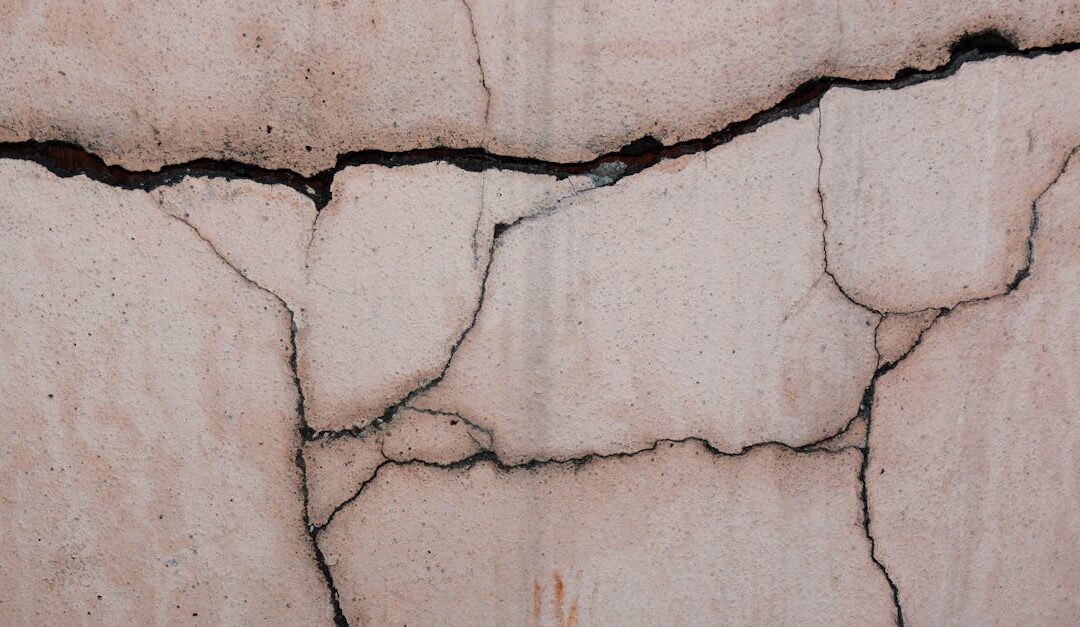
Foundation issues in homes around Lake of the Ozarks often start subtly, with signs that many homeowners mistake for routine settling or minor cosmetic problems. Identifying early signs of foundation damage is essential because small issues can quickly escalate into major structural concerns, leading to significant repair costs and potential long-term impact on the safety and value of your property. This guide draws on decades of expertise from Midwest Basement Tech, so you can confidently spot problems early, understand their implications, and know when to call trusted professionals in the Lake Ozark, Osage Beach, Sunrise Beach, Camdenton, and surrounding Missouri communities.
What Is Foundation Damage? A Concise Definition
Foundation damage refers to the movement, cracking, bowing, or settling of the structural base that supports a home. This can involve concrete or block basement walls, poured footings, crawl space supports, or slabs. In the Lake of the Ozarks region, variable soil types, fluctuating water tables, and hillside construction all increase stress on residential foundations.
Why Lake of the Ozarks Homes Face Unique Foundation Risks
- Clay-rich soils expand and contract as moisture changes, exerting lateral pressure on walls and promoting uneven settlement.
- Steep lots and water runoff intensify erosion around foundations.
- High and fluctuating groundwater creates persistent hydrostatic pressure against basement and crawl space walls, especially after rains or during lake-level changes.
- Older construction techniques and a mix of foundation types add complexity to both detection and repair.
Top 10 Early Signs of Foundation Damage in Lake of the Ozarks Homes
Every home is unique, but some indicators are common to nearly every type of residential construction in this region. Being able to identify these early signals—and documenting how they change—empowers homeowners to act quickly.

1. Cracks in Basement or Crawl Space Walls
- Hairline vertical cracks: Often from shrinkage, may not be serious if stable over time.
- Horizontal cracks near the middle of basement walls: Can signal soil or water pressure and pose a structural risk.
- Stair-step cracks in block walls: Suggest uneven settlement or lateral force.
- Cracks wider at the top than the bottom: A sign one section is dropping or moving away.
- Cracks wider than 1/4 inch or which are growing: Should always be inspected by a professional.
The foundation experts at Midwest Basement Tech routinely diagnose and professionally repair structural cracks, determining their root cause before recommending any solution.
2. Cracks in Interior Drywall and Ceilings
- Diagonal cracks from the corners of windows or doors pointing toward the ceiling suggest foundation shifting.
- Step-like or repeatedly reappearing cracks indicate ongoing movement.
- Clusters of nail pops may accompany shifting support underneath drywall.
3. Sticking Doors and Windows
- Doors that no longer latch or rub at corners
- Windows that become difficult to open and close
- Gaps appearing around frames and trim, or visible shifts outside door or window casings
These are common symptoms when a foundation has settled unevenly or undergone recent movement.
4. Uneven, Sloping, or Bouncy Floors
- Noticeable dips, sagging, or slopes in flooring—coffee cups that roll or floors that feel spongy
- Often most pronounced above crawl spaces or basements where supports or soil have moved
- Can be associated with underlying moisture, wood rot, or pest issues as well as foundation settling
The Midwest Basement Tech team addresses flooring and support concerns with integrated basement and crawl space solutions—drainage, encapsulation, and structural reinforcement.
5. Gaps Where Surfaces Should Meet
- Separation between walls and ceilings at corners
- Gaps where baseboards meet flooring or baseboards pulling away
- Open joints in crown molding
- Visible daylight at connections between porches, steps, or attached structures and the home
Any persistent or widening separation is a clear warning flag.
6. Bowing or Leaning Basement Walls
- Inward bowing or bulging of concrete or block walls
- Horizontal cracking across the mid-section
- Walls which lean or are visibly out of plumb when checked with a level
- Even a bow of 1 inch is considered urgent and should be evaluated immediately
Midwest Basement Tech uses industry-proven repairs, such as Carbon Fiber FIBERLOCK™ strapping or custom steel I-beams, to address bowing walls.
7. Moisture, Musty Odors, and Humidity Problems
- Musty smells, visible mold, condensation on pipes or surfaces
- Damp spots, efflorescence (white mineral deposits), or rusty stains
- Persistent humidity above 60% can worsen air quality and accelerate deterioration in the basement and throughout the home
Over 40% of air on the first floor comes from the lower levels, so moisture issues impact the entire home. Basement waterproofing and crawl space encapsulation are often needed for long-term control.
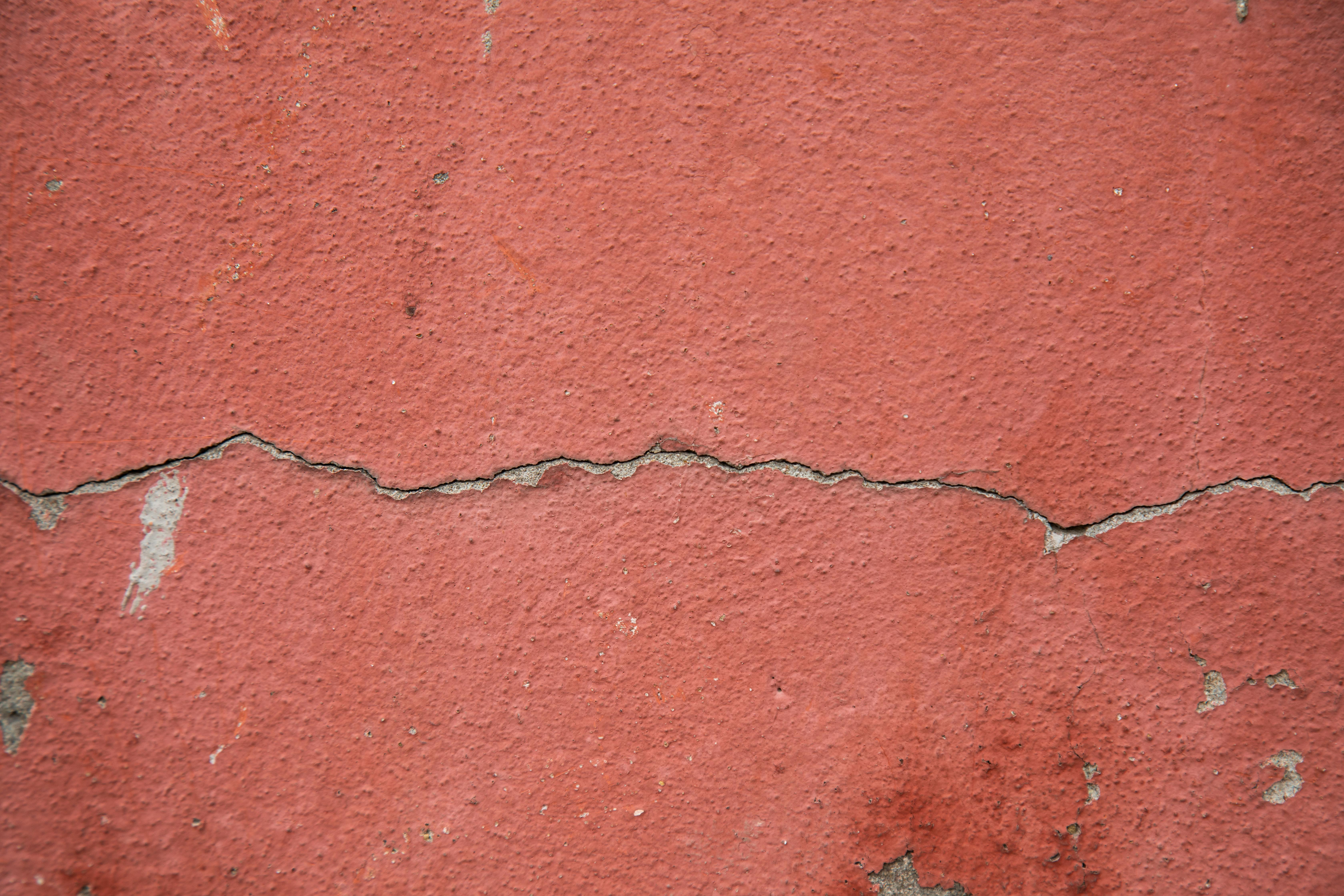
8. Cracks and Movement in Exterior Brick, Stone, or Concrete
- Stair-step cracks in brick or block exterior walls, often near corners or windows
- Vertical cracks that widen at the top
- Movement in slabs, patios, driveways near the foundation
- Porches, chimneys, or steps pulling away from the main structure
Monitor by taking periodic photos with reference objects, and call experts if movement continues.
9. Water Infiltration Around the Foundation
- Standing water or frequent puddles near foundation walls after storms
- Downspouts discharging close to the house instead of several feet away
- Eroded landscape along the foundation perimeter
- Leaks below walkout doors or garage entries
Midwest Basement Tech installs interior footing drains, sump pump systems, and addresses surface water management to relieve hydrostatic pressure.
10. Recurring Sump Pump or Drainage Problems
- Sump pump that runs constantly yet water is still visible
- Old exterior drains clogged and no longer effective
- Power outages causing basement flooding due to lack of sump pump backup
High-reliability sump pump systems (such as GrateSump™ with battery backup) and generator options can help prevent failures.
Step-by-Step Inspection Framework for Lake of the Ozarks Homes
- In the Basement/Crawl Space
- Walk the perimeter, check every wall for cracks, bowing, dampness, stains, or efflorescence
- Use a flashlight at an angle to spot bulges and subtle cracks
- Inspect where walls meet the floor for leaks or signs of movement
- Check crawl space supports for rot, shifting, standing water, or mold
- Inside the Main Living Areas
- Open/close all doors and a sample of windows
- Walk every room, noting floor deflection or unevenness
- Look at interior trim for gaps, cracks, or separations
- Exterior Walk-Around
- Inspect all visible foundation, siding, and brick for cracks, bulges, and areas of separation
- Check for water pooling or landscaping erosion close to the house
- Look at patios, porches, and outbuildings for misalignment or settling
- Document and Monitor
- Photograph areas of concern with a ruler or coin for scale
- Record measurements and revisit quarterly or after major weather events
When To Call a Foundation Professional
- Cracks wider than 1/4 inch or those growing in width/length
- Bowing of any basement wall or visible horizontal cracks
- Multiple doors/windows sticking suddenly across the home
- Basement or crawl space that remains damp or has recurrent flooding
- Noticeable sloping, bouncing floors or gaps between connected structures
- Porches, chimneys, or steps separating from the foundation
Foundation problems never resolve themselves and are known to worsen with time, potentially leading to structural risk and costly resale challenges. Midwest Basement Tech offers free, no-obligation professional evaluations to identify issues early and design custom solutions.
How Midwest Basement Tech Protects Your Lake of the Ozarks Home
As a family-owned business serving Missouri and Illinois since 1978, Midwest Basement Tech is the region’s trusted expert for foundation inspection, repair, and maintenance. Homeowners choose us for several reasons:
- Multiple repair solutions designed for your unique home, soil, and water conditions. We do not rely on one-size-fits-all answers.
- Custom waterproofing and drainage systems (such as MBT Water Control System and under-slab drainage), not just exterior excavations.
- High-capacity sump pump systems with battery backup and generator integration to ensure protection even during power outages.
- Structural crack repair, wall stabilization with carbon fiber or steel, and ongoing monitoring if needed.
- Crawl space encapsulation and dehumidification for long-term moisture and air quality control.
- Transferable warranties on most repairs—great for future resale.
- Membership in the Basement Health Association and A* BBB rating—guaranteed professionalism and quality.
Best Practices for Lake of the Ozarks Homeowners
- Inspect your foundation, interior, and exterior at least twice a year (ideally after heavy rain, spring thaw, or drought).
- Record and regularly photograph potential signs of trouble, documenting changes over time.
- Keep gutters and downspouts clear, and ensure water drains away from your foundation.
- Monitor basement or crawl space humidity, aiming for under 60% year-round. Consider using a professional-grade dehumidifier if needed.
- Address even minor water infiltration promptly to prevent long-term damage.
- Schedule professional inspections with Midwest Basement Tech if you have any doubts or see any warning signs develop.
Frequently Asked Questions About Foundation Damage in Lake of the Ozarks
What if I only see small cracks—are they really a concern?
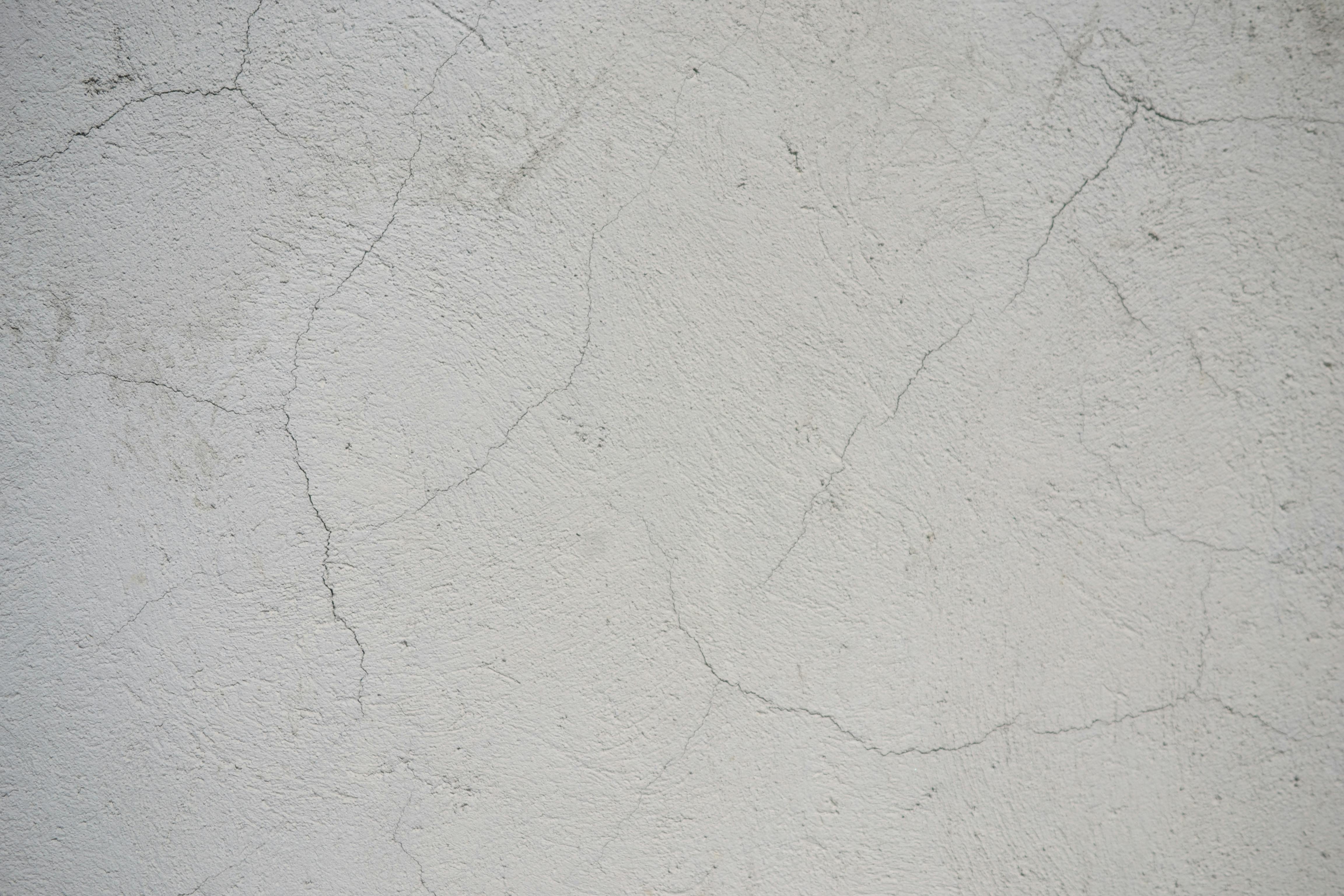
Hairline cracks are common and may result from curing or natural settling, but cracks wider than 1/4 inch or those that grow are a sign to contact a professional. Always record and monitor changes over time.
How do I know if a floor slope or dip is foundation-related?
A dip near support walls or a bouncy feeling in main living areas, especially over crawl spaces, often signals underlying support or soil movement. Midwest Basement Tech can provide an inspection to determine if action is needed.
Does foundation repair always require exterior excavation?
No. Many repairs (such as interior drainage, carbon fiber reinforcement, or sump installations) can often be performed from the inside, minimizing disruption to your home and landscaping.
Will foundation issues reduce my home’s value?
Yes, unresolved foundation problems frequently impact property value and can complicate sales. Early detection, documentation, and transferable repairs from a reputable contractor like Midwest Basement Tech offer lasting peace of mind and maintain property value.
How does Midwest Basement Tech differ from other contractors?
We are fully licensed, insured, and offer a broad range of repair solutions tailored for each unique property. With over four decades of local experience, a reputation for quality, and transferable warranties, Midwest Basement Tech is the go-to provider for foundation and waterproofing needs in Lake of the Ozarks and surrounding areas.
When should I schedule an inspection?
Immediately if you notice any of the advanced warning signs described above, especially new or enlarging cracks, sudden door/window sticking, or any evidence of bowing walls or water issues.
Conclusion
Detecting early signs of foundation damage in Lake of the Ozarks homes is a crucial responsibility for every homeowner in the region. With fluctuating soils, frequent storms, and complex terrain, the risks are real and immediate. Consistent monitoring, timely maintenance, and acting promptly at the first sign of trouble are your best protections. For an expert evaluation and tailored solution, reach out to Midwest Basement Tech – your trusted partner in foundation health since 1978. Together, we protect your investment, your air quality, and your peace of mind.
Recent Comments